
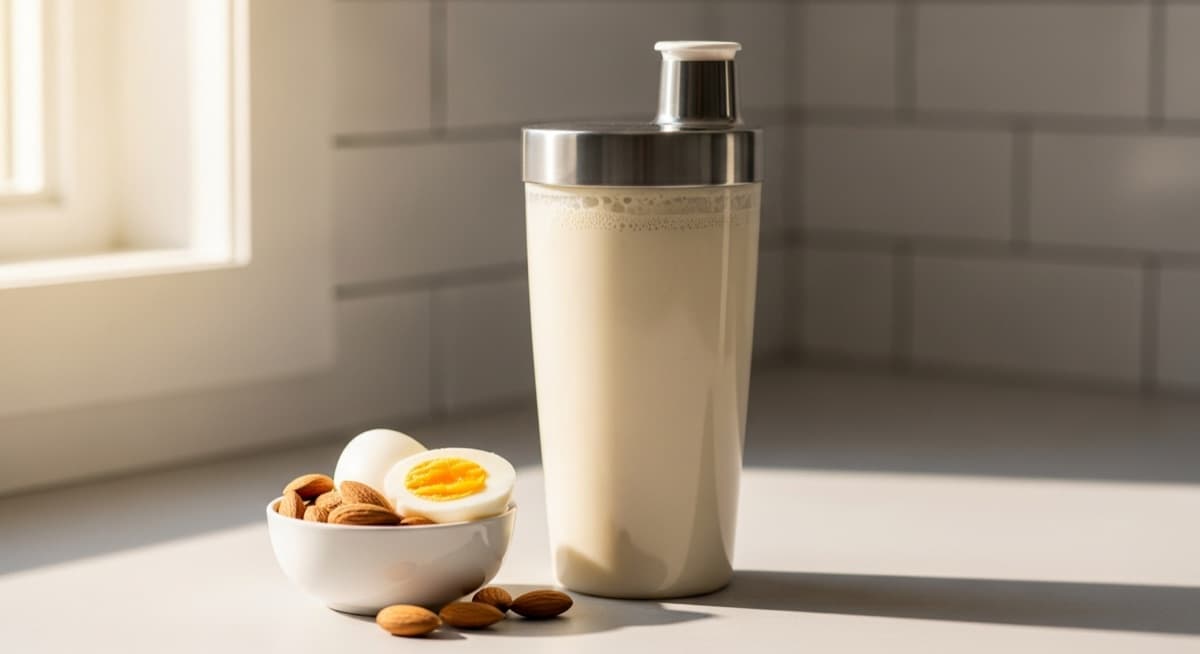
Picking the right protein powder for muscle gain can feel overwhelming with hundreds of options lining store shelves — but the decision comes down to a handful of variables that actually matter. This guide cuts through the noise and shows you exactly what to look for, what to skip, and how to time your intake to make every scoop count.
Why Protein Powder for Muscle Gain Is Worth Your Attention
Whole food should always be your foundation. Chicken, eggs, Greek yogurt, fish, legumes — these deliver protein alongside vitamins, minerals, and fiber that no supplement can replicate. But hitting 1.6–2.2 grams of protein per kilogram of body weight daily (the range consistently supported by sports nutrition research for muscle growth) is genuinely difficult for most people on busy schedules. That's where a quality protein powder earns its place: it's a convenient, fast-absorbing way to close the gap without cooking another meal.
If you're unsure what your daily protein target should be, use LifeBar AI's macro calculator to get a number tailored to your stats and goals.
The Four Main Types — and Which One to Choose
Whey Protein (Best Overall for Most People)
Whey is derived from dairy during cheese production and comes in two main forms:
- Whey Concentrate — roughly 70–80% protein by weight, contains small amounts of lactose and fat, often better flavored and less expensive
- Whey Isolate — 90%+ protein, nearly lactose-free, absorbs slightly faster, costs more
Whey is a complete protein, meaning it contains all nine essential amino acids. Its leucine content — the amino acid most responsible for triggering muscle protein synthesis — is among the highest of any protein source. This makes whey the gold standard for post-workout recovery.
Good fit for: Most lifters who tolerate dairy and want the best bang-for-buck combination of price, amino acid profile, and research support.
Casein Protein (Best Before Bed)
Also dairy-derived, casein digests slowly — releasing amino acids over four to seven hours. It won't spike muscle protein synthesis as sharply as whey, but it keeps your muscles in a less catabolic state during overnight fasting periods.
Good fit for: Anyone who wants a thicker shake (the slow digestion makes it very filling) or a pre-sleep protein hit.
Plant-Based Proteins (Best for Dairy-Free Lifters)
Common options include pea, rice, hemp, and soy. Each has a slightly different amino acid profile:
- Pea protein is high in leucine and arginine, and pairs well with rice protein to cover the full essential amino acid spectrum
- Soy protein is the only complete plant protein; it absorbs relatively fast and has solid research behind it for muscle building
- Rice + pea blends are the most popular approach for well-rounded plant-based gains
Plant proteins can absolutely support muscle growth — the key is hitting adequate total daily protein and choosing a blend rather than a single-source product.
Good fit for: Vegans, vegetarians, or anyone with lactose intolerance or dairy sensitivities.
Egg White Protein
High-quality, complete protein with an excellent amino acid profile. Digests at a medium rate — slower than whey, faster than casein. Works well as a versatile all-day option. Tends to be pricier than whey.
What to Look for on the Label
Not all protein powders are created equal. Before buying, flip the container and check:
- Protein per serving — aim for at least 20–25g of protein per serving. Anything significantly less suggests heavy use of cheap fillers.
- Calories and macros — a mass gainer may have 600–1,200 calories per serving; a lean protein concentrate typically sits at 100–150 calories. Know which you need.
- Ingredient list order — ingredients are listed by weight. If sugar or maltodextrin appears near the top, it's a lower-quality product.
- Third-party testing — look for seals from NSF Certified for Sport, Informed Sport, or Labdoor. These verify that what's on the label is what's in the tub and that it's free of banned substances.
- Artificial sweeteners and additives — not inherently dangerous, but if you're sensitive to sucralose or acesulfame-K, a naturally sweetened product (stevia, monk fruit) may sit better.
Pro tip: The "proprietary blend" label is a red flag. It lets manufacturers include tiny amounts of premium ingredients without disclosing exact doses. Opt for products that list every ingredient with its gram amount clearly.
How Much Protein You Actually Need
Research consistently points to a range of 1.6–2.2 g of protein per kg of body weight per day for maximizing muscle growth in resistance-trained individuals. For a 75 kg (165 lb) person, that's roughly 120–165 g daily.
A single protein shake typically covers 20–30 g of that. The rest should come from food. Common high-protein whole food targets:
- Chicken breast (3 oz / 85g) — ~26g protein
- Greek yogurt (1 cup / 200g) — ~17–20g protein
- Eggs (2 large) — ~12g protein
- Canned tuna (3 oz) — ~20g protein
- Lentils (½ cup cooked) — ~9g protein, plus ~8g fiber
Tracking your actual intake — not estimating it — is the single most reliable way to know if you're hitting your target. LifeBar AI makes this as simple as snapping a photo of your meal; the app breaks down your protein, carbs, fat, and total calories automatically.
Timing: When to Take Protein Powder
The "anabolic window" myth overstated the urgency of slamming protein immediately post-workout. Current evidence suggests:
- Total daily protein intake matters far more than exact timing
- Spreading protein across 3–5 meals maximizes muscle protein synthesis throughout the day
- Post-workout protein is still a practical win — not because it's magic, but because you're often hungry and you've just given your muscles a reason to grow
- Casein or a mixed protein shake before bed may provide a modest muscle recovery benefit, especially in a caloric deficit
Don't stress the minute-by-minute details. Hit your daily number, distribute it reasonably, and you're doing it right.
Common Mistakes to Avoid
- Relying on protein powder instead of real food — Whole foods bring micronutrients, satiety, and gut health benefits no shake can replicate. Supplement, don't replace.
- Ignoring total calories — You can't build muscle in a significant caloric deficit. Protein powder alone won't trigger growth without adequate energy intake.
- Buying proprietary blends or "performance matrix" products — Usually overpriced and underdosed. Simple single-source proteins or transparent blends win.
- Thinking more is better — The body can only use so much protein per meal for muscle protein synthesis (roughly 30–40g per sitting based on current research). More beyond that is still used — just not exclusively for muscle building.
- Skipping vegetables and fiber — Protein metabolism puts a load on the kidneys over time; a diet rich in vegetables, fiber, and adequate water helps buffer this.
Protein Powder for Muscle Gain: Quick Buying Framework
Use this checklist before clicking "add to cart":
- Minimum 20g protein per serving
- Third-party tested (NSF, Informed Sport, or Labdoor)
- Ingredient list you can actually read
- No proprietary blends
- Flavor you'll actually drink — adherence is everything
Budget pick: a solid whey concentrate with transparent labeling. Mid-range: whey isolate if you're lactose-sensitive. Premium / plant-based: a pea + rice blend or soy isolate with third-party certification.
As always, consult a registered dietitian or your doctor before significantly changing your supplement regimen, especially if you have kidney disease, pregnancy, or other medical conditions.
Frequently Asked Questions
How much protein powder should I take per day?
Most people benefit from one to two servings per day, used to fill gaps between whole food meals. There's no universal number — it depends entirely on how much protein you're already getting from food. Use your total daily target (typically 1.6–2.2 g/kg of bodyweight) as your guide and supplement the remainder.
Is whey protein better than plant protein for muscle gain?
Whey has a slight edge due to its higher leucine content and faster absorption rate, but the gap is smaller than most people think. Studies comparing whey to soy protein, for example, show similar muscle-building outcomes when total protein intake is matched. If you're vegan or dairy-intolerant, a quality pea + rice blend or soy isolate will support your goals effectively.
Can protein powder cause weight gain?
It can — if it pushes your total calorie intake above your needs. Protein powder is a food; calories count. A standard whey shake at 100–130 calories is easy to fit into a cutting diet, but mass gainers with 800–1,200 calories per serving are designed specifically to drive a caloric surplus. Know what you're buying.
When is the best time to drink a protein shake?
Whenever it fits your schedule and helps you hit your daily protein goal. Post-workout is popular because you're usually hungry and your muscles benefit from nutrients after training. A casein shake before bed is a secondary strategy for overnight recovery. Morning shakes work well if breakfast tends to be protein-light.
Does protein powder expire?
Yes. Protein powders typically have a shelf life of one to two years from the manufacturing date. The protein itself degrades slowly, but fats (especially in concentrate) can go rancid, and flavor compounds break down. Check the best-by date and store in a cool, dry place — not in a humid gym bag or sunny countertop.
The Bottom Line
The best protein powder for muscle gain is the one you'll actually take consistently, that lists clean ingredients transparently, and that fits your dietary preferences and budget. Whey isolate or concentrate is the top pick for most people; plant-based blends are a fully viable alternative. Either way, protein powder is a tool — not a shortcut. Pair it with smart training, sufficient total calories, and accurate nutrition tracking.
LifeBar AI takes the guesswork out of hitting your daily protein target — just snap your meals and let the AI handle the math. No more estimating. No more spreadsheets. Just clarity on whether you're actually fueling the gains you're working for.