
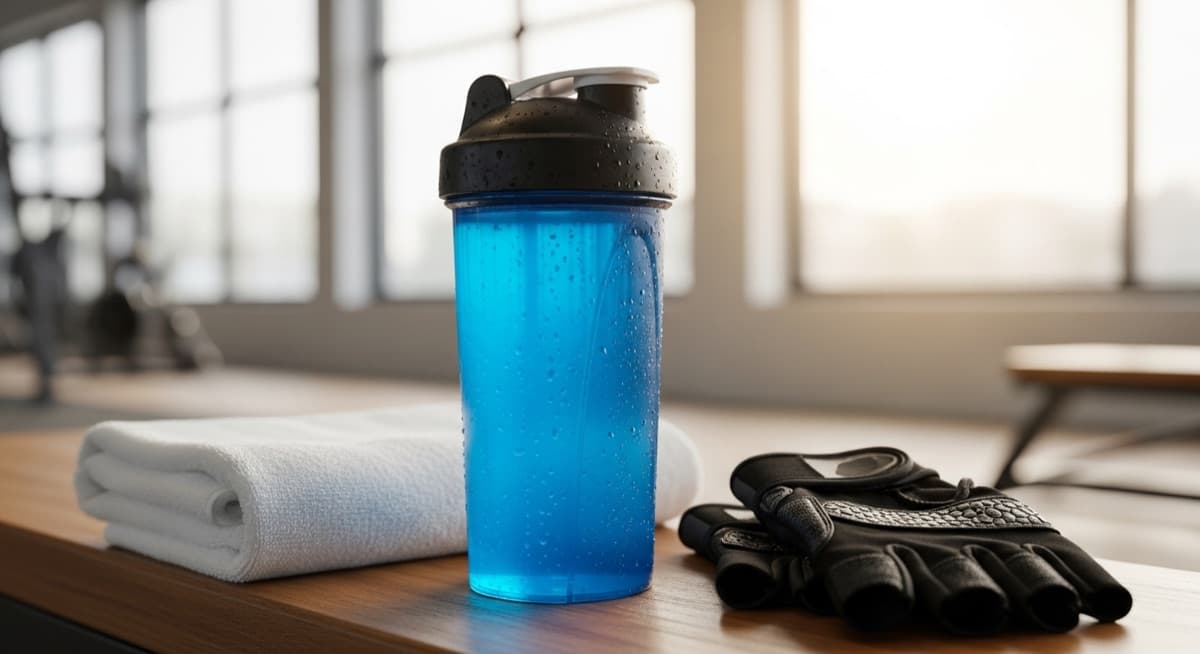
If you've ever walked into a gym and wondered what's in that brightly colored tub everyone seems to be scooping from, you're asking about pre workout — one of the most popular (and most misunderstood) supplements in the fitness world. This guide breaks down exactly what pre-workout is, what's actually in it, who benefits, and whether you actually need it to hit your goals.
What Is Pre-Workout?
Pre-workout is a category of dietary supplement designed to be taken 20–45 minutes before exercise. It typically comes as a flavored powder you mix with water, though capsule and ready-to-drink formats exist.
The goal: more energy, sharper focus, better endurance, and stronger muscle pumps — all in one scoop.
Pre-workouts are not a single ingredient. They're formulas that combine several active compounds, each targeting a different aspect of performance. The quality, dosing, and effectiveness vary wildly between products, which is why understanding the ingredients matters more than trusting the label.
Key Ingredients Found in Pre-Workout
Most reputable pre-workout formulas share a core set of well-researched ingredients:
Caffeine
The backbone of nearly every pre-workout. Caffeine is a central nervous system stimulant that reduces perceived effort, delays fatigue, and sharpens mental focus. Effective doses in the research literature typically fall in the range of 150–300 mg per serving, though some products go significantly higher. If you're sensitive to caffeine or work out in the evening, this is the ingredient to watch.
Beta-Alanine
The ingredient behind the characteristic "tingling" sensation many people feel. Beta-alanine buffers lactic acid buildup in muscles, which can help extend endurance during high-rep or cardio-intensive work. It's best suited for efforts lasting 1–4 minutes — think rowing intervals, high-rep sets, or circuit training.
Creatine Monohydrate
Some pre-workouts include creatine, the most well-researched performance supplement in existence. Creatine supports ATP regeneration, directly fueling short, explosive efforts like sprints and heavy lifts. If your pre-workout doesn't include it, consider taking 3–5 g separately — the evidence for creatine is that strong.
Citrulline Malate
An amino acid compound that boosts nitric oxide production, improving blood flow and creating that sought-after "pump." Also has evidence for reducing muscle soreness post-workout. Look for doses around 6–8 g of citrulline malate for meaningful effect.
B Vitamins & Electrolytes
Many formulas add B vitamins (B6, B12) for energy metabolism support and electrolytes (sodium, potassium, magnesium) for hydration, especially useful if you sweat heavily.
What to Watch Out For
- Proprietary blends: some brands list ingredients without disclosing individual doses, making it impossible to know if you're getting effective amounts
- Stimulant stacking: products combining multiple stimulants (caffeine + synephrine + yohimbine) can cause elevated heart rate or anxiety
- Artificial dyes and fillers: not harmful for most, but worth noting if you prefer clean labels
Benefits of Taking Pre-Workout
When dosed correctly and timed well, the real benefits are meaningful:
- More reps, heavier lifts: caffeine and beta-alanine can directly extend how long you can push at a given intensity
- Better focus during training: useful for athletes who struggle to mentally "get in the zone," especially during early morning sessions
- Increased blood flow and muscle pump: citrulline-based products make muscles feel fuller and may improve nutrient delivery during training
- Reduced perceived exertion: the same weight can feel lighter, helping you train harder without it feeling that way
- Faster warm-up onset: some users report feeling "ready to go" faster, shortening the ramp-up period in training sessions
Pro tip: Time your pre-workout 25–35 minutes before your first working set — not before you leave the house. Most caffeine-based formulas peak in the bloodstream around that window, so you'll hit your lift at max effect rather than burning it off in the parking lot.
Who Actually Benefits From Pre-Workout?
Pre-workout is not for everyone, and it's definitely not required. Here's an honest breakdown:
Likely to benefit:
- Intermediate to advanced lifters chasing performance improvements
- Athletes doing high-intensity interval training (HIIT) or endurance work
- People who train early morning or after a long workday and struggle with low energy
- Those who have plateaued and want a legal edge in the gym
Likely don't need it:
- Beginners — your gains will come from consistency and progressive overload, not supplements
- People who already consume significant caffeine daily (the marginal boost is smaller)
- Anyone whose training is casual or low-intensity
Should be cautious:
- People with heart conditions, high blood pressure, anxiety disorders, or caffeine sensitivity
- Anyone pregnant or nursing
Always consult a doctor or registered dietitian before adding a stimulant-based supplement to your routine, especially if you have any underlying health conditions.
Pre-Workout Timing and Dosing Tips
Getting the timing right matters almost as much as the product itself.
- Window: 20–40 minutes before training is the standard target
- Start low: if trying a new product, start with half a scoop to assess tolerance, especially for caffeine content
- Avoid late-day use: caffeine has a half-life of roughly 5–6 hours — a 3 PM serving can still affect sleep at 9 PM
- Cycle off periodically: consistent daily use builds caffeine tolerance fast; taking 1–2 weeks off every couple of months helps reset sensitivity
- Hydration: always mix with adequate water (usually 8–12 oz) and drink additional water during your session
Natural Alternatives to Pre-Workout Supplements
If you'd rather skip the supplement route entirely, real food and simple habits can deliver much of the same effect:
- Coffee or espresso: 1–2 shots roughly 30 minutes before training gives you ~80–150 mg of caffeine with zero proprietary blends
- Banana + peanut butter: fast-digesting carbs + some protein and fat for sustained energy — eat 45–60 minutes before
- Beet juice: naturally high in nitrates, which convert to nitric oxide and support blood flow similarly to citrulline
- A solid night of sleep: more impactful on performance than any supplement on the market
- Proper meal timing: training 2–3 hours after a balanced meal means your glycogen stores are full — you may not need anything else
For a full look at how your macros and meal timing are affecting your training, check the LifeBar AI macro calculator to dial in your nutrition before worrying about supplements.
How to Track Whether Pre-Workout Is Working
Here's the honest truth: most people feel pre-workout "working" because of caffeine, and they'd get 80% of that effect from a strong coffee. To know if a full pre-workout formula is actually moving the needle for you, track:
- Performance metrics: are your working weights going up? Reps improving? Track this weekly.
- Session RPE (Rating of Perceived Exertion): does the same workout feel meaningfully easier?
- Recovery: are you recovering between sets faster?
- Sleep quality: if you're wired at bedtime, the timing or dose is off
This is exactly where logging your nutrition and understanding your daily macro balance matters. Apps like LifeBar AI let you track not just what you eat, but how your nutrition patterns connect to energy and performance — making it easier to identify whether a supplement is doing its job or whether the real fix is your diet.
Frequently Asked Questions
Is pre-workout safe to take every day?
For most healthy adults, daily use is generally safe at moderate doses. The bigger concern is building caffeine tolerance quickly, which reduces effectiveness over time. Cycling off every few weeks and avoiding late-day use are the practical guardrails. If you have any cardiovascular conditions or are taking medication, check with your doctor first.
Can pre-workout make you gain weight?
Pre-workout itself won't cause fat gain. Some formulas include creatine, which can cause a small initial increase in water retention (1–3 lbs) as muscles hold more fluid — this is not body fat. Overall weight trends are still driven by your total caloric intake and expenditure.
What happens if you take too much pre-workout?
Exceeding recommended doses — especially caffeine — can cause anxiety, rapid heartbeat, jitteriness, headaches, and disrupted sleep. In extreme cases with very high-caffeine products, more serious cardiovascular effects are possible. Stick to one serving and never double-scoop without building up tolerance slowly.
Can I take pre-workout on an empty stomach?
Many people do, and for shorter workouts it's fine. Some users experience nausea or GI discomfort on an empty stomach, especially with beta-alanine. A small snack (a banana or a piece of toast) 30–60 minutes prior can help settle this without blunting the stimulant effect.
What's the difference between pre-workout with and without stimulants?
Stimulant-free pre-workouts (sometimes called "non-stim" or "pump" formulas) focus on citrulline, betaine, and other vasodilators without caffeine. They're ideal for evening training, caffeine-sensitive individuals, or anyone who wants the blood-flow and endurance benefits without the nervous system hit. They won't give you the same focus boost but are a solid option for the right user.
The Bottom Line
Pre-workout can be a legitimate performance tool — but it's not magic and it's not essential. The research-backed core ingredients (caffeine, beta-alanine, creatine, citrulline) have real effects when dosed properly. The supplement works best as a layer on top of dialed-in nutrition, adequate sleep, and consistent training — not a substitute for any of them.
If you're serious about performance, the single highest-leverage move is understanding what you're eating and when. LifeBar AI makes that effortless — snap your meal, get your macros instantly, and start connecting your nutrition to your results in the gym.