
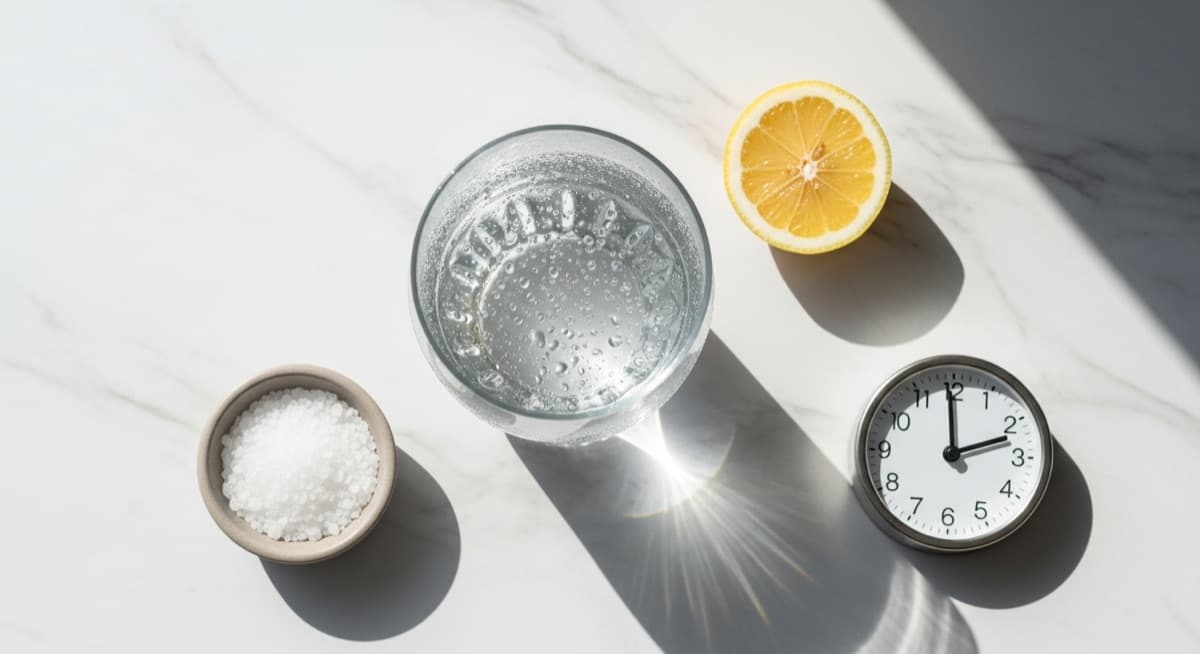
Water fasting — going without food and consuming only water for a set period — has surged in popularity as a strategy for weight loss, metabolic reset, and even longevity. In this guide, you'll get a clear-eyed look at the real benefits, the genuine risks, and a practical framework for doing it as safely as possible.
What Is Water Fasting?
Water fasting means consuming nothing except plain water for a defined window of time. Unlike intermittent fasting protocols (16:8, OMAD) that permit eating within a window, a true water fast is a complete caloric blackout. Durations range widely:
- Short fasts (24 hours): Popular for weekly resets and ketosis kickstarts
- Medium fasts (2–3 days): Often used for deeper autophagy activation
- Extended fasts (5–7+ days): Medical or therapeutic settings only; require supervision
Water fasting is distinct from dry fasting (no water either) or juice fasting (calories are consumed). Hydration is the one non-negotiable.
Benefits of Water Fasting
The science here is genuinely interesting, even if some mechanisms are still being studied in humans.
Weight and Fat Loss
The most immediate effect is a rapid drop on the scale — part water weight, part glycogen depletion, part actual fat burning. Once liver glycogen is exhausted (roughly 12–24 hours in for most people), the body shifts to burning stored fat for fuel. Longer fasts extend the window of fat oxidation.
Keep in mind: a meaningful portion of early weight loss is water and glycogen. True fat loss occurs but is more modest than the scale suggests.
Metabolic Reset and Insulin Sensitivity
Extended caloric restriction drops fasting insulin levels dramatically. Lower circulating insulin allows fat cells to release stored energy and may improve insulin sensitivity over time — a potential benefit for people with prediabetes or metabolic syndrome. Always discuss with your doctor if you have any existing metabolic condition.
Autophagy — Cellular Housekeeping
Autophagy is the body's process of clearing out damaged proteins and organelles and recycling them. Fasting — especially beyond 24 hours — is one of the strongest known triggers. This mechanism is linked to cellular longevity and reduced inflammation in animal models. Human data is promising but less definitive. Don't let oversized claims on social media outrun the actual science.
Blood Pressure
Some research suggests short-term medically supervised water fasting can produce meaningful reductions in blood pressure, particularly in people who are hypertensive. This is one area where the clinical data is relatively solid, though replications under everyday (unsupervised) conditions are less robust.
Mental Clarity (Subjective, but Real for Many)
Many experienced fasters report sharper mental focus after the initial 24–48 hours. This likely ties to stable, elevated ketone levels — the brain's efficient alternative fuel. The first day, however, often involves brain fog and irritability before clarity kicks in.
Risks and Who Should Not Water Fast
This is the section most articles rush past — don't skip it.
Common Side Effects
- Headaches — usually from caffeine withdrawal, electrolyte shifts, or dehydration
- Dizziness and orthostatic hypotension — blood pressure drops when standing quickly; move slowly
- Muscle cramps — electrolyte depletion (sodium, potassium, magnesium) is the culprit
- Fatigue and irritability — especially in the first 24 hours
- Refeeding syndrome risk — after fasts longer than 72 hours, reintroducing food too aggressively can cause dangerous electrolyte swings
Who Should Not Do It
Water fasting is not appropriate for everyone. Do not fast without medical supervision if you:
- Are pregnant or breastfeeding
- Have Type 1 diabetes or insulin-dependent Type 2 diabetes
- Have a history of eating disorders
- Are underweight (BMI under 18.5)
- Have kidney disease, liver disease, or heart arrhythmias
- Take medications that require food (certain blood thinners, NSAIDs, metformin)
- Are under 18 or over 65 without medical clearance
Always consult a doctor or registered dietitian before attempting any extended fast, especially if you have an existing health condition.
How to Water Fast Safely: A Step-by-Step Framework
Before the Fast (3–5 Days Out)
- Taper caffeine gradually to reduce withdrawal headaches
- Eat whole, nutrient-dense foods — lean proteins, leafy greens, healthy fats
- Avoid high-sodium, processed foods that cause water retention and then rapid drops
- Set a clear, realistic intention: Why are you fasting? What duration is appropriate for your experience level?
During the Fast
- Hydration target: 2–3 liters of plain water per day; filtered if possible
- Electrolytes: For fasts beyond 24 hours, consider adding a small amount of sodium (a pinch of sea salt in water), potassium (from unsweetened electrolyte powder with no calories), and magnesium. Do not use commercial sports drinks — they contain sugars and calories.
- Rest: Reduce intense exercise. Light walking is fine; heavy lifting or HIIT training can be dangerous on zero fuel.
- Sleep: Your sleep anchor is your most powerful hunger regulator. Prioritize it.
- Journaling: Track your energy, mood, and hunger levels. Patterns reveal a lot about your metabolic flexibility.
Pro tip: The hunger "waves" during a water fast are not linear — they tend to peak and then recede. Most people find that by hour 36–48, genuine hunger is easier to manage than during hour 12–20. Sitting through the first spike is the hardest part.
Breaking the Fast (Critical)
How you end a water fast matters as much as the fast itself. Breaking it incorrectly causes GI distress and, in extended fasts, serious complications.
- First meal (24–48 hr fast): A small portion of easily digestible food — bone broth, a piece of watermelon, a few bites of plain yogurt, or a small banana. Wait 30–60 minutes before eating more.
- After 3+ day fasts: Spend at least one full day on liquids and very light foods (broth, diluted juices, small amounts of soft fruit) before eating normally. Introduce protein slowly.
- Avoid: Large meals, high-fat foods, or anything highly processed as your first refeeding meal.
Water Fasting vs. Intermittent Fasting: Which Is Right for You?
Most people would benefit more from starting with intermittent fasting than diving straight into a multi-day water fast. Here's a quick comparison:
- Intermittent fasting (16:8 or 24-hour): Sustainable long-term, easier to maintain social eating, still triggers fat oxidation and mild autophagy, easier to track nutrition around. A great starting point for most people.
- Water fasting (48–72 hours): Stronger metabolic and autophagy signal, faster results, but harder to sustain, more side effects, higher risk if unsupervised.
- Extended water fasting (5–7+ days): Medical/therapeutic use only. Not a DIY protocol.
If you're new to fasting, use our macro and calorie calculator to understand your baseline nutritional needs before you start restricting — it helps you appreciate exactly what a fasting day costs your body and gives you a smarter baseline to return to.
Tracking Your Nutrition Around a Water Fast
One of the biggest mistakes people make is treating a water fast as an isolated event rather than part of a broader nutritional strategy. What you eat in the days before and after a fast determines how much lean muscle you preserve, how quickly your metabolism rebounds, and whether you actually maintain the results.
Using LifeBar AI to log and analyze your meals before and after a fast gives you real data: you can see your protein adequacy, micronutrient gaps, and caloric patterns without guessing. Snap a photo of your refeeding meal and instantly know whether you're hitting your recovery macros — that's the kind of precision that makes the difference between a fast that pays off and one that leaves you ravenous and depleted.
Frequently Asked Questions
Does water fasting actually work for weight loss?
Yes, but with important caveats. Water fasting produces rapid short-term weight loss, some of which is genuine fat loss and some of which is water and glycogen. The key question is sustainability: research generally shows that caloric restriction through a balanced diet combined with exercise produces comparable or better long-term fat loss with less muscle loss and fewer side effects than extended fasting alone.
Can I drink coffee or tea during a water fast?
Technically, consuming anything other than water breaks a pure water fast. That said, many people include plain black coffee or unsweetened herbal tea as a practical compromise. Be aware: coffee is a diuretic and can worsen electrolyte depletion during longer fasts, and caffeine increases cortisol, which may trigger hunger and stress responses. If you choose to include it, limit intake and stay extra hydrated.
Will water fasting cause muscle loss?
Some muscle catabolism is inevitable during any extended fast — the body will use amino acids for gluconeogenesis (making glucose) when carbohydrate stores are depleted. The degree of muscle loss depends on fast duration, pre-fast protein status, and activity level. Fasts under 48 hours with adequate pre-fast protein intake tend to minimize lean mass loss significantly.
How long is it safe to water fast without medical supervision?
For most healthy adults with no underlying conditions, a 24–48 hour fast is generally considered low risk. Beyond 72 hours, the risk profile increases meaningfully — electrolyte imbalances, refeeding syndrome, and cardiovascular stress become real concerns. Extended fasts (5+ days) should only be undertaken under medical supervision.
How do I know if my body is in ketosis during a water fast?
Common subjective signs include a metallic or fruity taste/breath, reduced hunger (after the initial spike), increased mental clarity, and mild fatigue in the early stages. You can also use affordable urine ketone test strips (available at most pharmacies) for objective confirmation. Blood ketone meters are more accurate but more expensive — useful if you fast regularly.
The Bottom Line
Water fasting can be a genuinely powerful tool for metabolic reset, weight loss, and cellular health — when it's done intentionally, with proper preparation, and realistic expectations. It's not a magic solution, it's not appropriate for everyone, and duration matters enormously. Start short, take electrolytes seriously, break the fast carefully, and always build it into a broader nutritional strategy rather than treating it as a standalone fix.
The most successful fasters are the ones who pay close attention to what they eat before and after — making sure every calorie that goes back in is working hard. LifeBar AI makes that effortless: snap a photo, get your macros, and know exactly how your recovery nutrition stacks up. Whether you're coming off a 24-hour reset or a three-day therapeutic fast, precision tracking is what turns a fast into lasting results.