nutrition · 2 min read
Foods high in magnesium and potassium: the overlap list
Foods high in magnesium and potassium include spinach, beans, lentils, potatoes, avocado, pumpkin seeds and yoghurt. See both minerals per serving in one table.
Written by Lifebar Desk · Checked against the sources listed below
Published 25 Sept 2026
Key takeaways
- Leafy greens, beans, lentils, potatoes and avocado are rich in both minerals.
- Seeds and nuts lead on magnesium; potatoes and beans lead on potassium.
- Low magnesium makes low potassium harder to correct, so the two are worth fixing together.
Magnesium and potassium travel together in whole plant foods. The same handful of foods, greens, beans, potatoes, seeds, covers both, and most people fall short on both.
Daily targets
| Mineral | Men | Women |
|---|---|---|
| Magnesium | 400 to 420 mg | 310 to 320 mg |
| Potassium | 3,400 mg | 2,600 mg |
Foods high in both, per serving
| Food | Serving | Magnesium (mg) | Potassium (mg) |
|---|---|---|---|
| Spinach, cooked | 1 cup | ~155 | ~840 |
| Black beans, cooked | 1 cup | ~120 | ~610 |
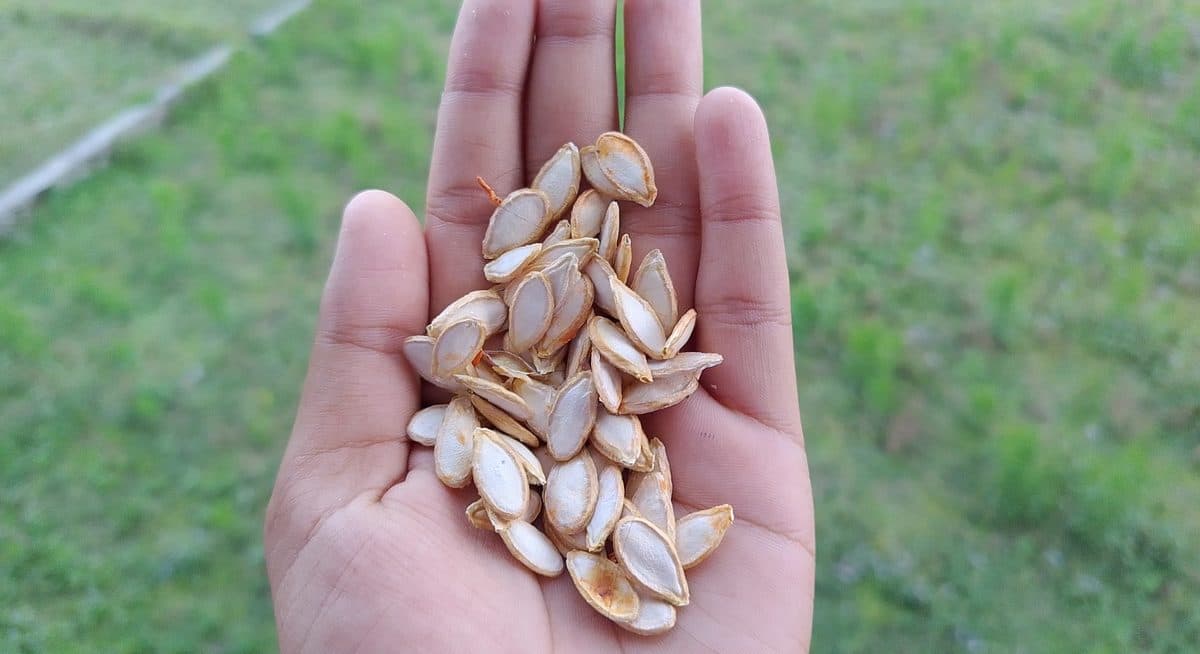
| Pumpkin seeds | 1 oz | ~155 | ~225 |
| Lentils, boiled | 1 cup | ~70 | ~730 |
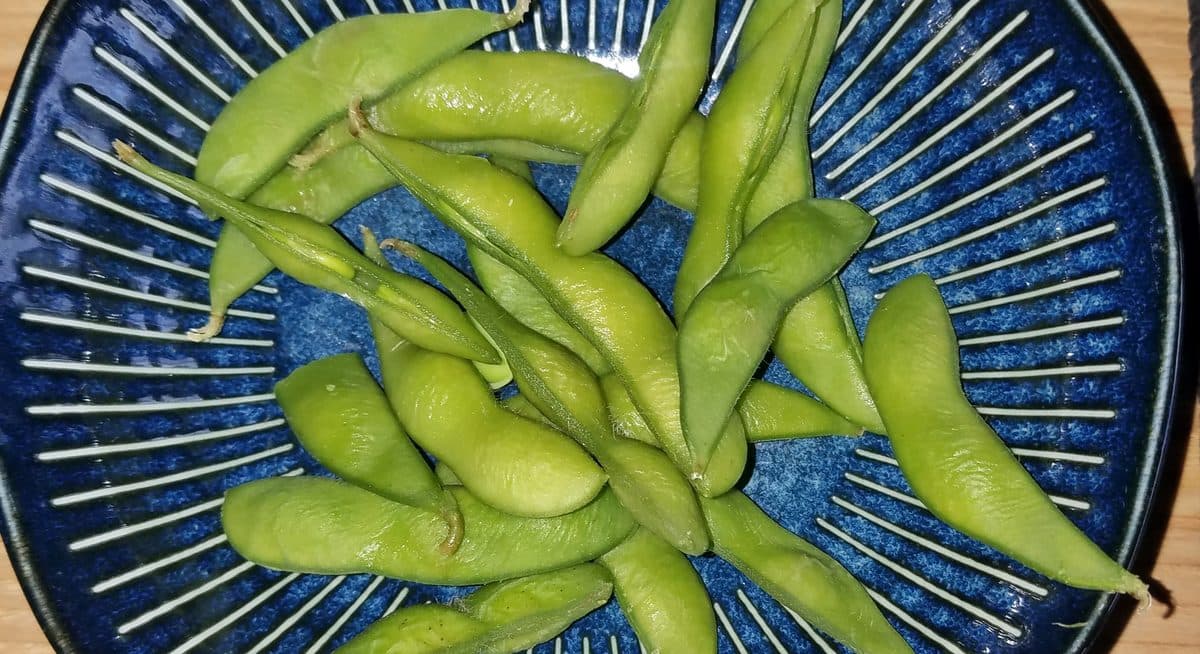
| Edamame, cooked | 1 cup | ~100 | ~675 |
| Kidney beans, canned | 1 cup | ~70 | ~610 |
| Potato, baked with skin | 1 medium | ~50 | ~930 |
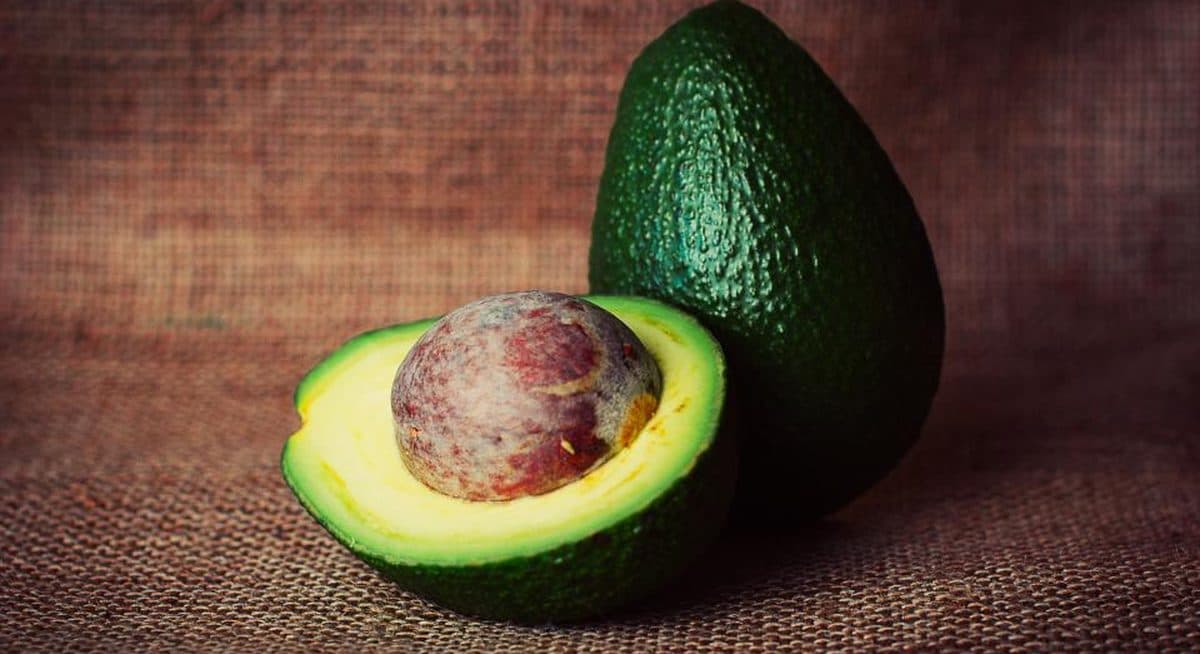
| Avocado | 1 cup cubes | ~45 | ~730 |
| Almonds | 1 oz | ~80 | ~210 |
| Yoghurt, plain low-fat | 8 oz | ~40 | ~530 |
| Dark chocolate, 70 to 85% | 1 oz | ~65 | ~205 |
| Banana | 1 medium | ~32 | ~420 |
| Salmon | 3 oz | ~26 | ~325 |
Values are approximate, from USDA FoodData Central and NIH fact sheets.
Why they are worth fixing together
The kidneys need magnesium to hold on to potassium. When magnesium is low, potassium keeps leaking out, and low potassium often will not correct until magnesium is replaced. That is one reason diuretics, which waste both, so often cause combined deficiencies. The symptoms overlap too: cramps, fatigue and palpitations are typical of low potassium and low magnesium alike.
A day that covers both
- Breakfast: yoghurt with pumpkin seeds and a banana
- Lunch: black bean and avocado bowl
- Dinner: salmon, a baked potato and a cup of cooked spinach
That lands at roughly 500 mg magnesium and over 4,000 mg potassium without a supplement. For potassium alone, see the full list of foods highest in potassium.
Who should be careful
People with kidney disease clear both minerals poorly. Anyone in that group, or on ACE inhibitors, ARBs or potassium-sparing diuretics, should set targets with their doctor rather than maximising intake.
Frequently asked
What food is highest in both magnesium and potassium?
Cooked spinach is the strongest all-rounder, with roughly 155 mg magnesium and 840 mg potassium per cup. Beans and lentils come next.
How much magnesium do adults need?
About 400 to 420 mg a day for men and 310 to 320 mg for women.
Should I take magnesium and potassium supplements together?
Not without testing. Food covers most people, and potassium supplements in particular can be dangerous for anyone with kidney disease or on certain blood pressure drugs.
Sources
Educational content, talk to your clinician before changing treatment.