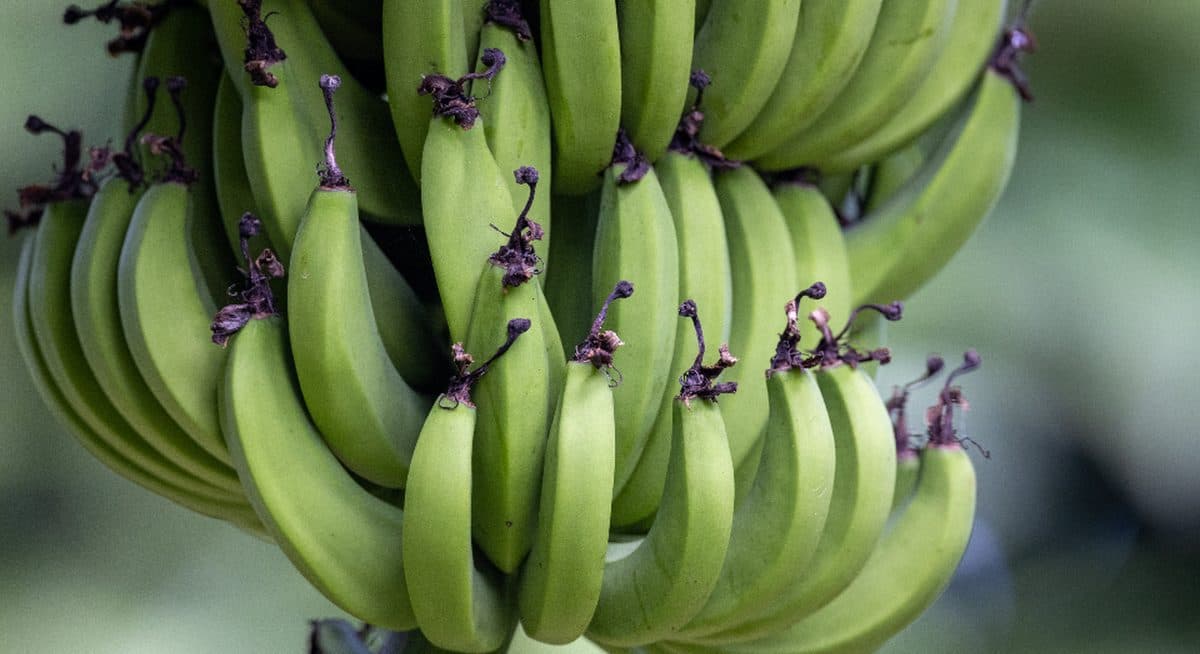
How much fiber in a banana? About 3.1 g in a medium one
A medium banana contains roughly 3.1 g of fiber, about 12% of the daily target for women. Greener bananas carry more resistant starch, which behaves like fiber and falls as the fruit ripens.
gut health
How to improve gut health is mostly a fibre problem: most people eat about half what their microbiome needs. These briefings cover fibre, probiotics, and what the evidence supports.
11 briefings

A medium banana contains roughly 3.1 g of fiber, about 12% of the daily target for women. Greener bananas carry more resistant starch, which behaves like fiber and falls as the fruit ripens.

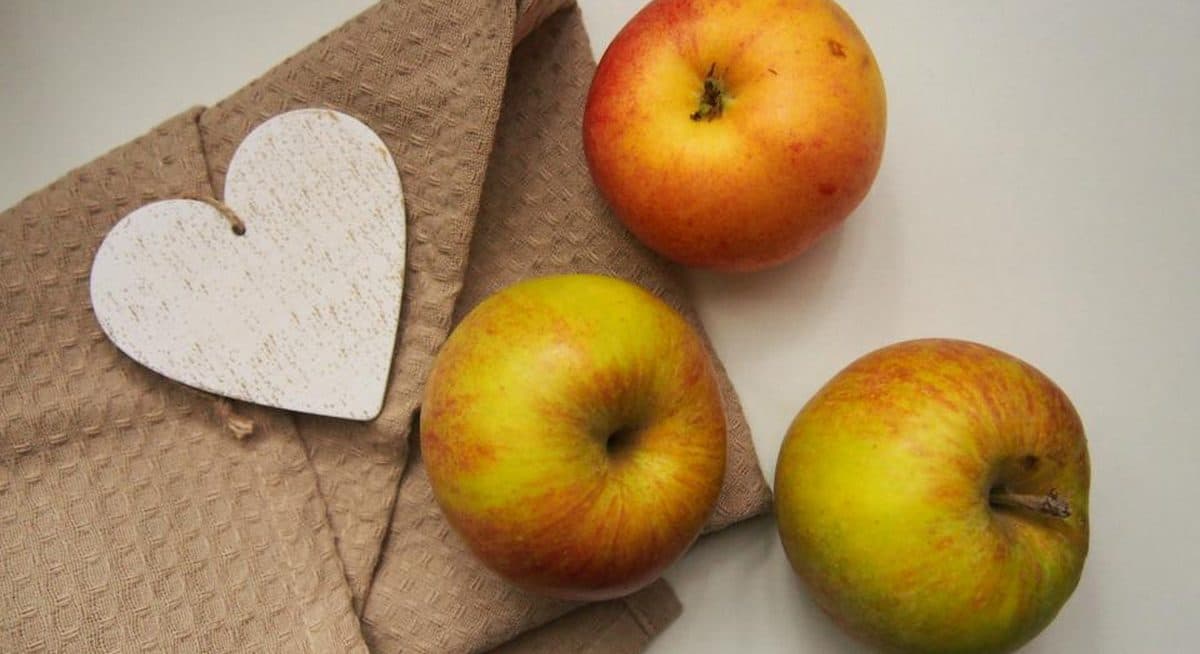
A medium apple with the skin contains roughly 4.4 g of fiber, around 17% of the daily target for women. Peeling it drops that to about 2.1 g, so the skin carries more than half the total.

This high fiber foods chart lists fiber per standard serving across legumes, grains, vegetables, fruit, nuts and seeds. Legumes run 12 to 19 g a cup, seeds 5 to 10 g an ounce, and most fruit and vegetables land between 3 and 8 g.

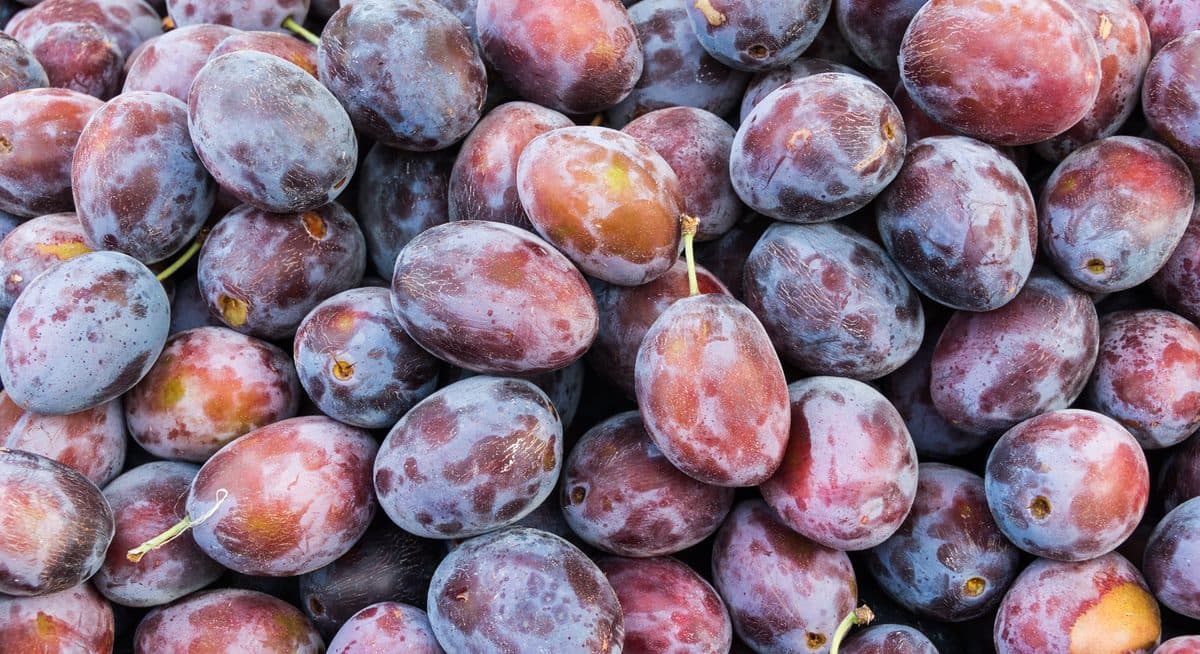
The best high-fiber foods for constipation are the gel-forming ones: psyllium, oats, prunes and kiwifruit. Wheat bran adds bulk but can worsen symptoms in some people, and fiber only works if fluid intake rises with it.

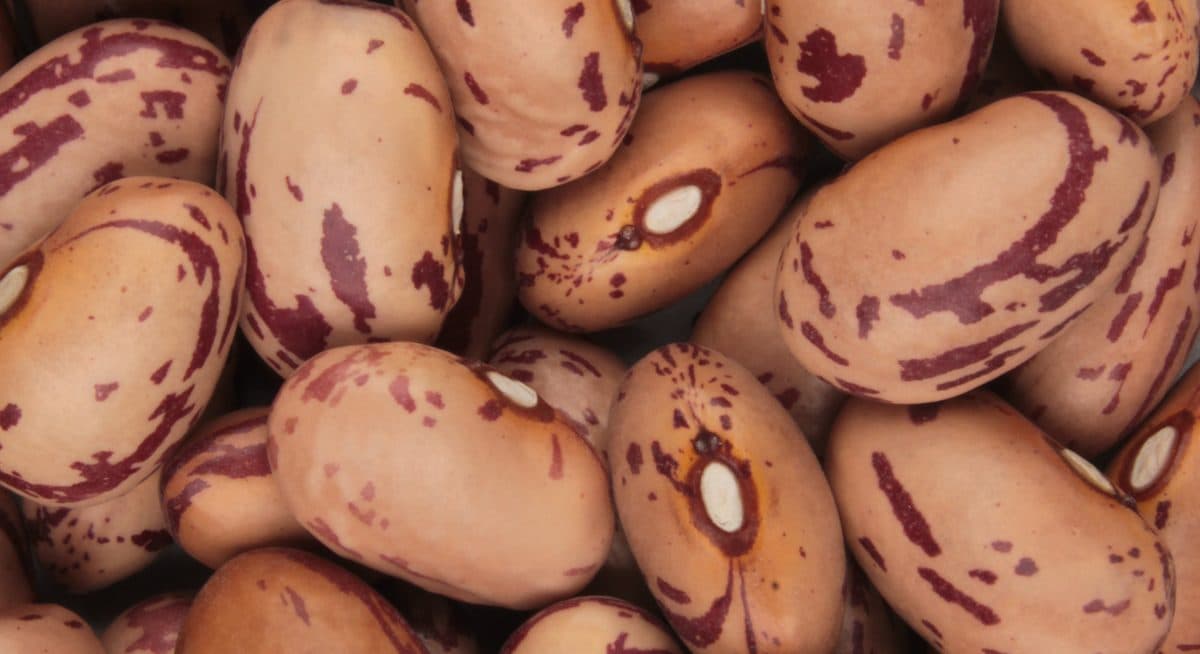
The highest fiber foods are legumes: a cup of navy beans carries about 19 g, split peas 16 g, lentils 15 g. Most adults eat 15 g a day against a 25 to 38 g target, and beans close that gap faster than any other food.

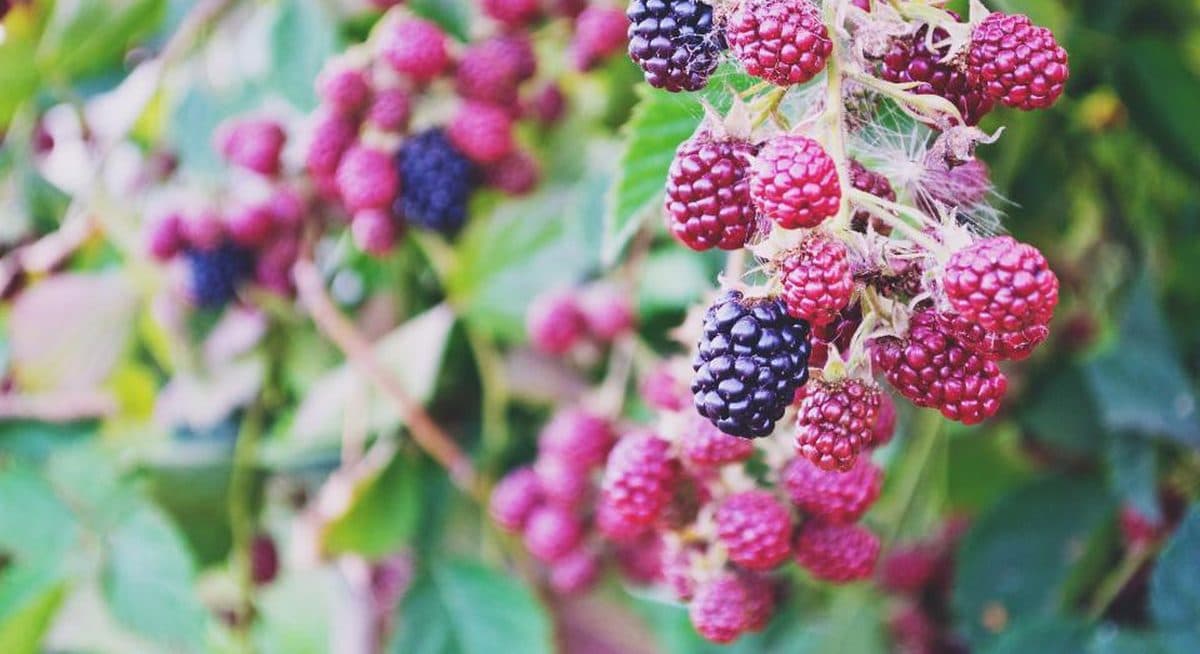
The highest fiber fruits are raspberries at about 8 g a cup, blackberries at 7.6 g, and pears at 5.5 g with the skin on. Most fruit lands between 3 and 5 g per serving, which makes fruit a useful contributor to the 25 to 38 g daily target rather than the main source.

The highest fiber vegetables are green peas at about 9 g a cup and artichoke at roughly 7 g each, followed by winter squash, broccoli and collard greens at 5 to 6 g. Most other vegetables land between 3 and 5 g per cooked cup.

Soluble fiber dissolves and forms a gel, slowing digestion and lowering LDL cholesterol. Insoluble fiber does not dissolve, adds bulk and speeds transit. Most whole foods carry both, so the distinction matters for supplements and symptoms more than for everyday eating.

How much fiber per day: 25 to 38 g is the target, and average intake sits near 15 g. The gap shows up in your microbiome, your cholesterol and your colon cancer risk.

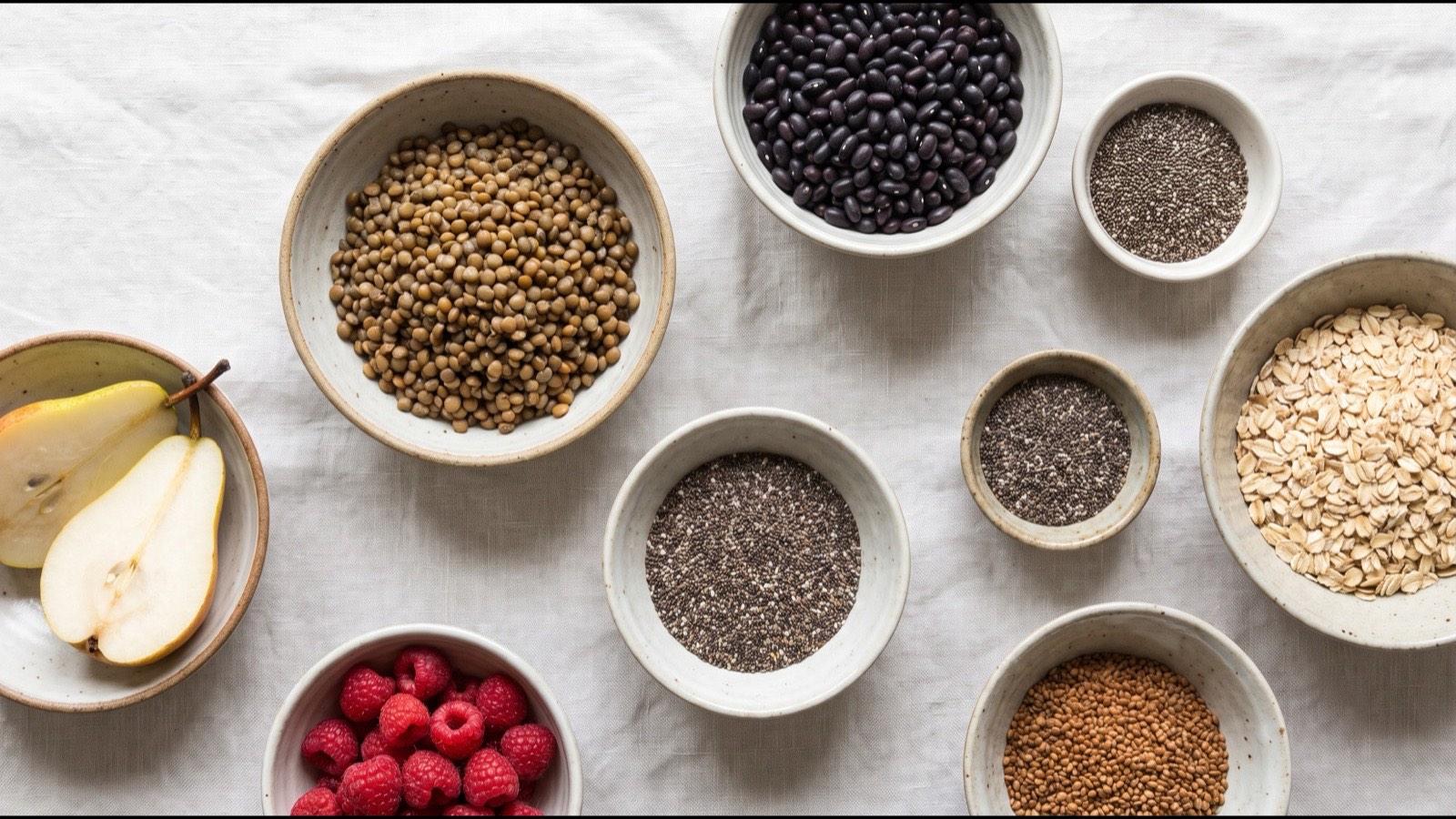
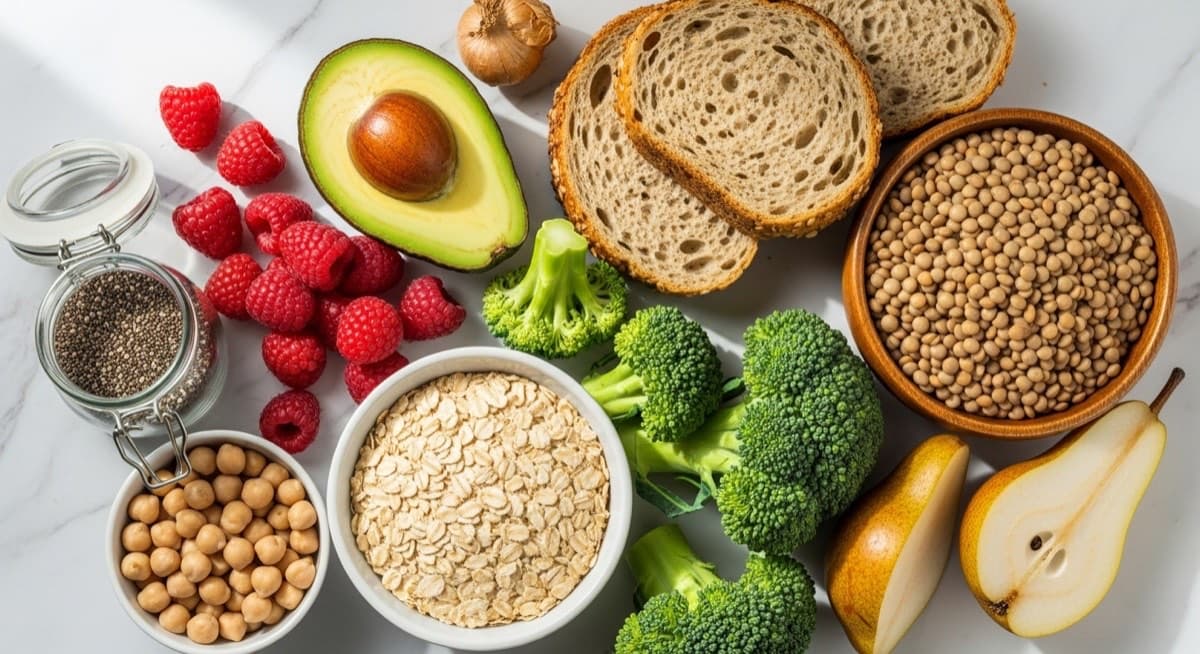
A high fiber breakfast delivering 10 g makes the 25 to 38 g daily target realistic. Oats, chia, berries and beans do most of the work.

For probiotics for women, strain matters more than the count on the label. Lactobacillus rhamnosus GR-1 and reuteri RC-14 have the best data for vaginal health; most general blends have none.