nutrition · 2 min read
Potassium-rich foods: the list ranked by milligrams per serving
Foods high in potassium, ranked per serving: dried apricots, lentils, squash, prunes and potatoes all beat a banana. Full list with milligrams and daily targets.
Written by Lifebar Desk · Checked against the sources listed below
Published 25 Sept 2026
Key takeaways
- Adults need about 3,400 mg a day (men) or 2,600 mg (women); most people eat far less.
- Dried apricots, lentils, squash, prunes and potatoes each beat a banana per serving.
- People with kidney disease or on certain blood pressure drugs should not push potassium up without advice.
Bananas get the credit, but they are not even in the top ten. Plenty of everyday foods deliver more potassium per serving, and a few of them deliver close to double.
How much potassium you need
The adequate intake is about 3,400 mg a day for men and 2,600 mg for women. Average intakes in most Western countries fall well short of that, largely because diets are light on vegetables, beans and fruit.
Foods high in potassium, ranked
| Food | Serving | Potassium (mg) |
|---|---|---|
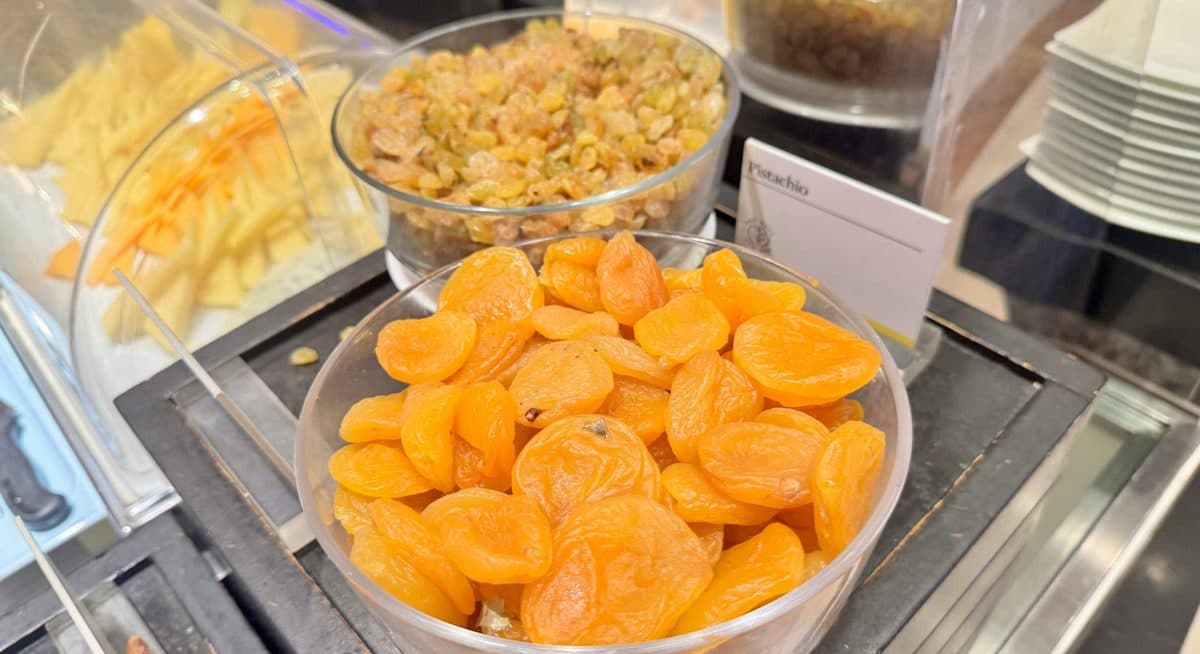
| Dried apricots | ½ cup | 755 |
| Lentils, boiled | 1 cup | 731 |
| Acorn squash, mashed | 1 cup | 644 |
| Prunes, dried | ½ cup | 635 |
| Raisins | ½ cup | 618 |
| Potato, baked with skin | 1 medium | 610 |
| Kidney beans, canned | 1 cup | 607 |
| Orange juice | 1 cup | 496 |
| Soybeans, boiled | ½ cup | 443 |
| Banana | 1 medium | 422 |
| Milk, 1% | 1 cup | 366 |
| Spinach, raw | 2 cups | 334 |
| Chicken breast | 3 oz | 332 |
| Yoghurt, fat-free | 6 oz | 330 |
| Salmon, Atlantic | 3 oz | 326 |
| Tomato | 1 medium | 292 |
| Broccoli, cooked | ½ cup | 229 |
| Cantaloupe | ½ cup | 214 |
| Apple with skin | 1 medium | 195 |
| Cashews | 1 oz | 187 |
Values are from the NIH Office of Dietary Supplements and USDA FoodData Central. Brands and varieties vary. For the very top of the list, including per-100 g figures, see the foods highest in potassium.
Potassium-rich foods by category
- Vegetables: potatoes with skin, squash, spinach, tomatoes, broccoli, beet greens
- Fruit: dried apricots, prunes, raisins, bananas, oranges, cantaloupe, avocado
- Beans and legumes: lentils, kidney beans, white beans, soybeans
- Dairy and protein: milk, yoghurt, salmon, chicken, beef
Hitting your target without thinking about it
One cup of lentils, one baked potato, a half cup of dried apricots and a glass of milk comes to roughly 2,450 mg. Add ordinary vegetables through the rest of the day and 3,000 mg or more is realistic. Greens, beans and seeds also cover magnesium, so the foods high in magnesium and potassium are the most efficient picks. Cooking method matters a little, since boiling leaches potassium into the water, so steaming, baking or using the liquid in soups keeps more of it.
Who should be careful
Healthy kidneys clear surplus potassium easily. People with chronic kidney disease, or those taking ACE inhibitors, ARBs or potassium-sparing diuretics, can build up dangerous levels, and salt substitutes (often potassium chloride) are a common hidden source. If that applies to you, set a target with your doctor rather than working through this list.
Frequently asked
Which food is highest in potassium?
Per typical serving, dried apricots (about 755 mg per half cup) and cooked lentils (about 731 mg per cup) sit near the top of common foods. Beans, squash and potatoes follow closely.
Are bananas the best source of potassium?
No. A medium banana has about 420 mg. A baked potato with skin, a cup of lentils or a half cup of dried apricots each supply more.
Can you eat too much potassium from food?
Healthy kidneys excrete the excess, so food alone rarely causes high levels. Kidney disease, ACE inhibitors, ARBs and potassium-sparing diuretics change that.
Sources
Educational content, talk to your clinician before changing treatment.