nutrition · 2 min read
High-protein fruits, ranked by grams per cup
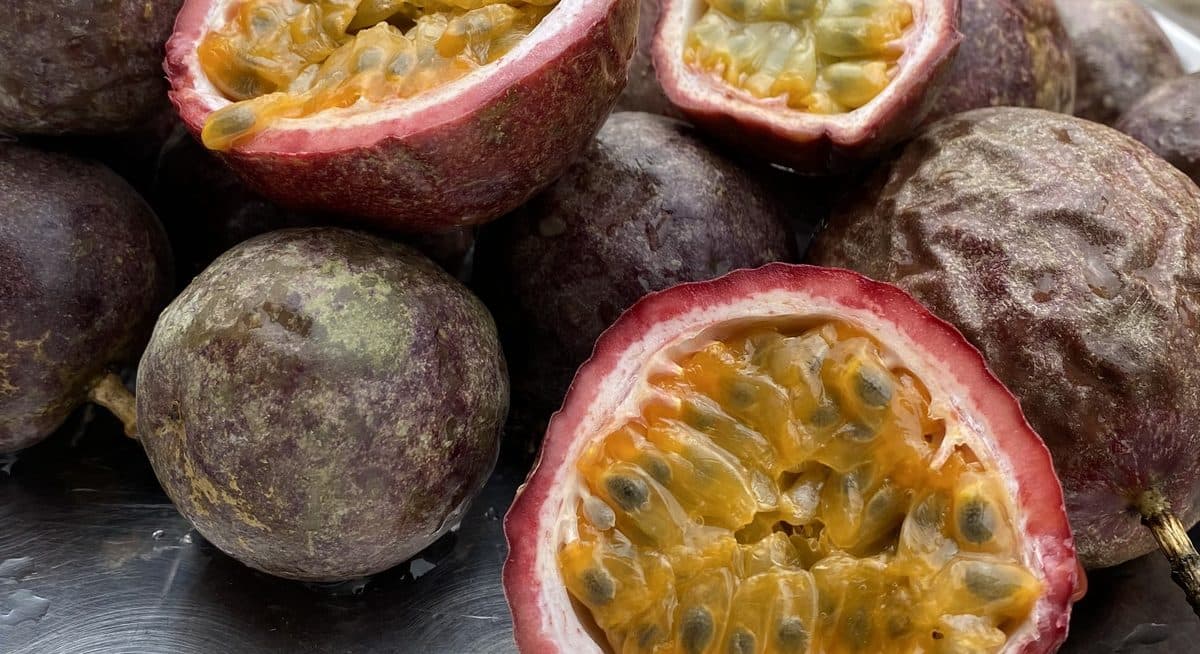
The highest protein fruits are passion fruit at about 5 g a cup, guava at 4 g, avocado at 3 g and jackfruit at 3 g. Most fruit carries 1 to 2 g per serving, so fruit tops up protein rather than supplying it.
Written by Lifebar Desk · Checked against the sources listed below
Published 26 Sept 2026
Key takeaways
- Passion fruit (about 5.2 g a cup) and guava (about 4.2 g a cup) are the highest protein fresh fruits.
- Avocado, jackfruit, pomegranate and dried apricots follow at roughly 2 to 3 g per serving.
- Most common fruit, including apples, bananas and berries, lands between 0.5 and 2 g per serving.
- Even the best fruit supplies a fraction of what Greek yoghurt, eggs or lentils do, so pair fruit with a real protein source.
Fruit is not a protein food, and no ranking changes that. But some fruits carry two to five times more than others, and if you eat fruit anyway, picking the better ones adds a few free grams a day.
The ranking
Figures are for raw fruit per standard serving, from USDA FoodData Central.
| Fruit | Serving | Protein | Calories |
|---|---|---|---|
| Passion fruit | 1 cup pulp (236 g) | 5.2 g | 229 |
| Guava | 1 cup (165 g) | 4.2 g | 112 |
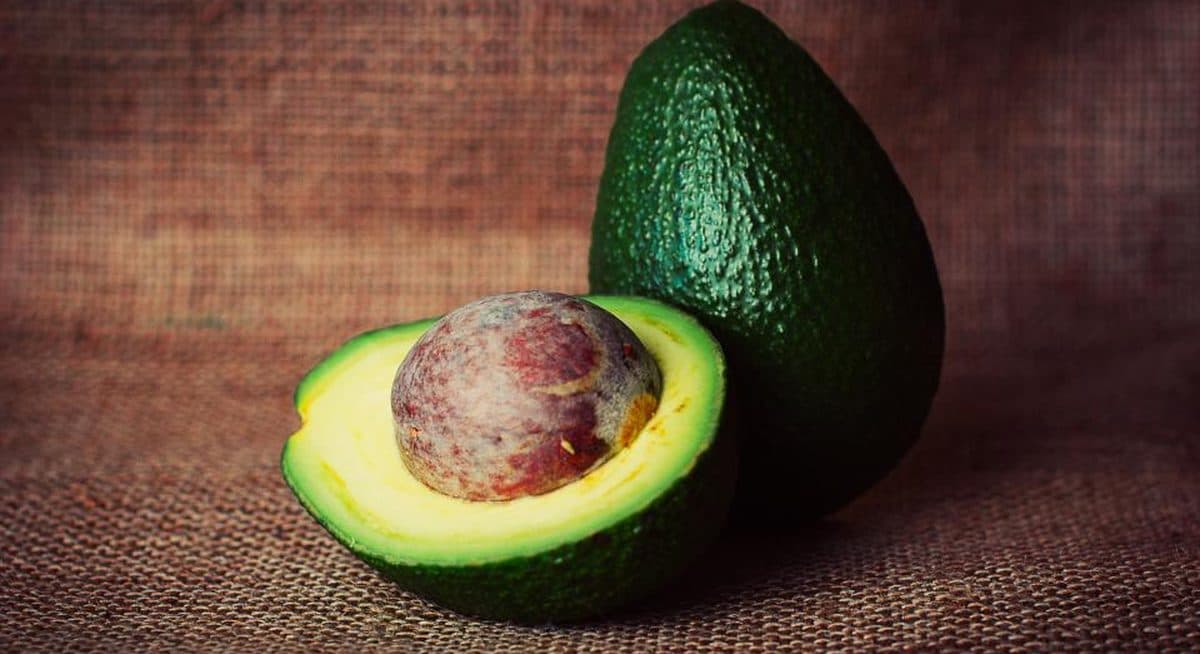
| Avocado | 1 cup cubed (150 g) | 3.0 g | 240 |
| Jackfruit | 1 cup sliced (165 g) | 2.8 g | 157 |
| Pomegranate arils | 1 cup (174 g) | 2.9 g | 144 |
| Dried figs | ½ cup (75 g) | 2.5 g | 186 |
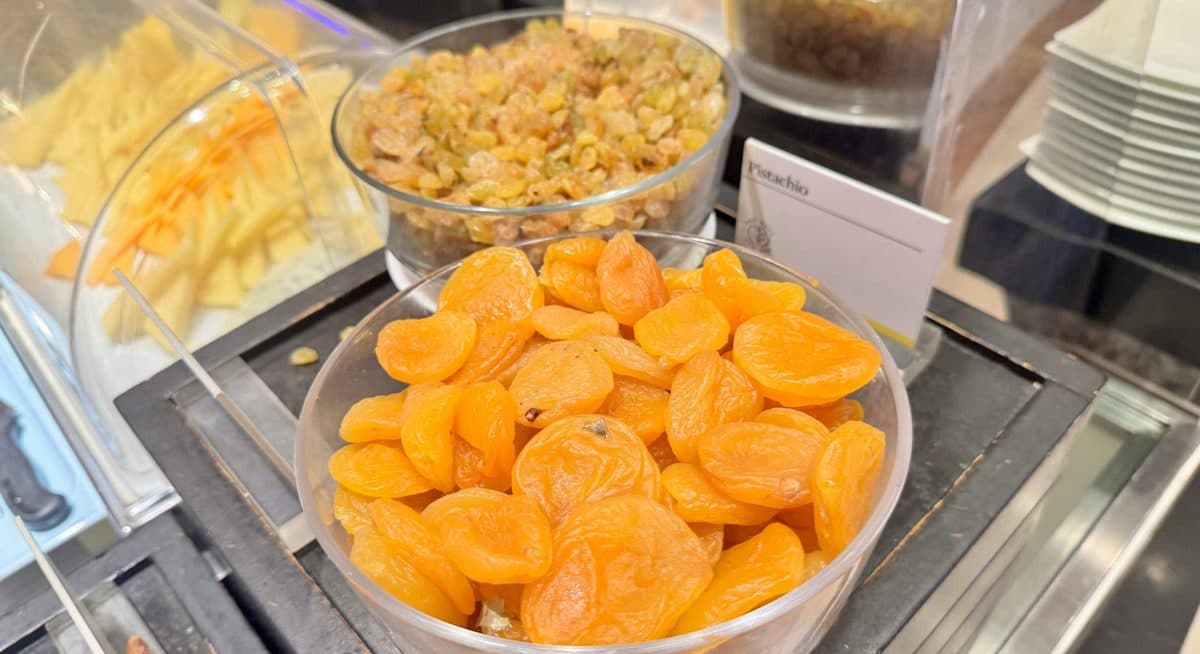
| Dried apricots | ½ cup (65 g) | 2.2 g | 157 |
| Kiwifruit | 1 cup sliced (180 g) | 2.1 g | 110 |
| Blackberries | 1 cup (144 g) | 2.0 g | 62 |
| Mulberries | 1 cup (140 g) | 2.0 g | 60 |
| Raspberries | 1 cup (123 g) | 1.5 g | 64 |
| Cantaloupe | 1 cup cubed (160 g) | 1.3 g | 54 |
| Banana | 1 medium (118 g) | 1.3 g | 105 |
| Orange | 1 medium (131 g) | 1.2 g | 62 |
| Apple | 1 medium (182 g) | 0.5 g | 95 |
Per calorie, the picture shifts
Guava wins on protein per calorie among fresh fruit, at roughly 3.8 g per 100 kcal. Blackberries and mulberries come next at over 3 g per 100 kcal. Avocado and dried fruit fall to the bottom once calories are counted, because fat and concentrated sugar carry most of their energy.
How much this actually adds
Most adults need at least 0.8 g of protein per kilogram of bodyweight a day, and people training or eating in a deficit often aim for 1.6 g per kilogram or more. For a 70 kg adult, that is 56 to 112 g a day. Two servings of the best fruit supply 6 to 9 g. Useful, not decisive.
Pairings that make fruit a protein meal
- A cup of guava with 1 cup of non-fat Greek yoghurt: about 29 g of protein.
- Berries stirred into ¾ cup of cottage cheese: about 22 g.
- Banana blended with milk and a scoop of whey: about 30 g.
- Pomegranate arils over a cup of cooked lentils: about 20 g per bowl.
The bottom line
Choose guava, passion fruit, jackfruit and blackberries when you want fruit to pull a little more weight. Get the bulk of your protein from dairy, eggs, fish, meat, legumes or soy, and let fruit do what it is best at: fibre, potassium and vitamin C.
Frequently asked
Which fruit has the most protein?
Passion fruit, at roughly 5.2 g per cup of pulp. Guava is close behind at about 4.2 g per cup and is easier to find and eat in quantity.
Is there any fruit with 10 g of protein?
Not in a normal serving. Fresh fruit tops out around 4 to 5 g a cup. To reach 10 g or more, combine fruit with yoghurt, cottage cheese, milk or a protein powder.
Is avocado a good source of protein?
Moderate. A whole avocado has about 4 g of protein but around 320 kcal, mostly from fat. It is a good food, but a poor protein source per calorie.
Do dried fruits have more protein?
Per gram, yes, because the water is gone. Per serving the gain is small: half a cup of dried apricots gives about 2.2 g of protein along with roughly 160 kcal of sugar.
Sources
Educational content, talk to your clinician before changing treatment.