gut-health · 2 min read
High-fiber foods for constipation, and the ones that actually work
The best high-fiber foods for constipation are the gel-forming ones: psyllium, oats, prunes and kiwifruit. Wheat bran adds bulk but can worsen symptoms in some people, and fiber only works if fluid intake rises with it.
Written by Lifebar Desk · Checked against the sources listed below
Published 20 Sept 2026
Key takeaways
- Soluble, gel-forming fiber such as psyllium has better trial support for constipation than coarse wheat bran.
- Prunes and kiwifruit have direct trial evidence, and prunes outperformed psyllium in head-to-head work.
- Fiber without extra fluid can make stools harder, not softer.
- Increase by roughly 5 g a week, a sudden jump reliably produces bloating and gas.
Most constipation advice stops at the words "eat more fiber". That is incomplete enough to be unhelpful, because the type of fiber changes the result, and the wrong type makes some people worse.
The foods with direct evidence
| Food | Serving | Fiber | Why it works |
|---|---|---|---|
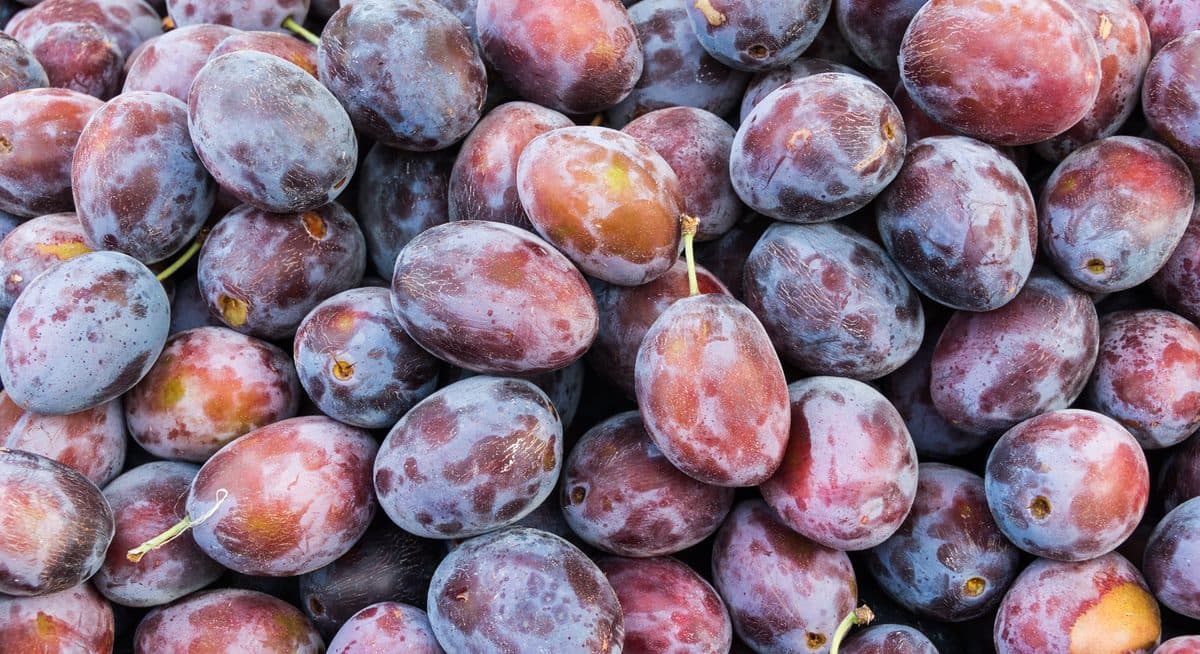
| Prunes | ~6 (50 g) | ~3 g | Fiber plus sorbitol, an osmotic sugar alcohol |
| Psyllium husk | 1 tbsp | ~4 g | Forms a gel, holds water in the stool |
| Kiwifruit | 2 medium | ~4 g | Trial evidence for stool frequency |
| Oats, cooked | 1 cup | ~4 g | Beta-glucan, viscous and fermentable |
| Pear, with skin | 1 medium | ~5.5 g | Fiber plus sorbitol |
| Navy beans, cooked | 1 cup | ~19 g | Highest fiber load per serving |
Why gel-forming fiber wins
Fiber relieves constipation through two different routes. Coarse insoluble fiber like wheat bran increases bulk and mechanically stimulates the colon. Soluble, viscous fiber like psyllium holds water inside the stool and keeps it soft. For chronic constipation the second mechanism has the better track record, and the first is the one most likely to backfire.
The bran problem
Wheat bran is the food most people reach for, and for a meaningful minority it increases bloating, distension and discomfort without improving frequency. This is especially common in slow-transit constipation and in IBS. If you added bran and felt worse, that is a recognised response, not a failure of effort.
How to add it without the bloating
Raise intake by about 5 g a week rather than all at once, and increase fluid alongside it. Gut bacteria need a few weeks to adapt to a larger fermentable load, and the gas that accompanies a sudden increase is the adaptation, not a sign the food is wrong.
When it is not a fiber problem
Constipation that is new, persistent, or comes with bleeding, unexplained weight loss, vomiting or a change in stool calibre is not a diet question. Certain medications, including opioids, iron and some antidepressants, are also common causes that no amount of fiber will fix. Those belong in front of a clinician.
Frequently asked
What is the fastest natural laxative food?
Prunes are the best-evidenced option. Around 50 g a day, roughly six prunes, improved stool frequency and consistency in controlled trials, helped by both fiber and the sugar alcohol sorbitol.
Can fiber make constipation worse?
Yes. Coarse insoluble fiber such as wheat bran can aggravate symptoms in some people, particularly with slow transit or IBS. If adding bran made things worse, switching to a gel-forming fiber like psyllium is the usual next step.
How much water do I need with fiber?
There is no exact figure, but fiber draws water into the colon to soften stool. If intake rises and fluid does not, the result can be harder stools. Raising both together is the practical rule.
Sources
Educational content, talk to your clinician before changing treatment.