gut-health · 2 min read
High fiber foods, ranked by how much you actually get per serving
The highest fiber foods are legumes: a cup of navy beans carries about 19 g, split peas 16 g, lentils 15 g. Most adults eat 15 g a day against a 25 to 38 g target, and beans close that gap faster than any other food.
Written by Lifebar Desk · Checked against the sources listed below
Published 20 Sept 2026
Key takeaways
- Legumes dominate the list, one cup of cooked navy beans, split peas or lentils supplies 15 to 19 g of fiber.
- Targets are 25 g a day for women and 38 g for men, and average intake is roughly 15 g.
- Fruit and vegetables are useful but rarely decisive, most deliver 3 to 8 g per serving.
- Increase intake gradually and with water, a sudden jump from 15 g to 35 g reliably causes bloating.
Fiber is the nutrient with the widest gap between recommendation and reality. The target is 25 g a day for women and 38 g for men. Average intake in most Western countries sits near 15 g. Almost everyone reading this is short, and the fix is narrower than the length of the food lists suggests.
The foods that actually move the number
| Food | Serving | Fiber |
|---|---|---|
| Navy beans, cooked | 1 cup | ~19 g |
| Split peas, cooked | 1 cup | ~16 g |
| Lentils, cooked | 1 cup | ~15.6 g |
| Black beans, cooked | 1 cup | ~15 g |
| Chia seeds | 1 oz (28 g) | ~10 g |
| Green peas, cooked | 1 cup | ~9 g |
| Raspberries | 1 cup | ~8 g |
| Pear, with skin | 1 medium | ~5.5 g |
| Broccoli, cooked | 1 cup | ~5 g |
| Avocado | 1/2 | ~5 g |
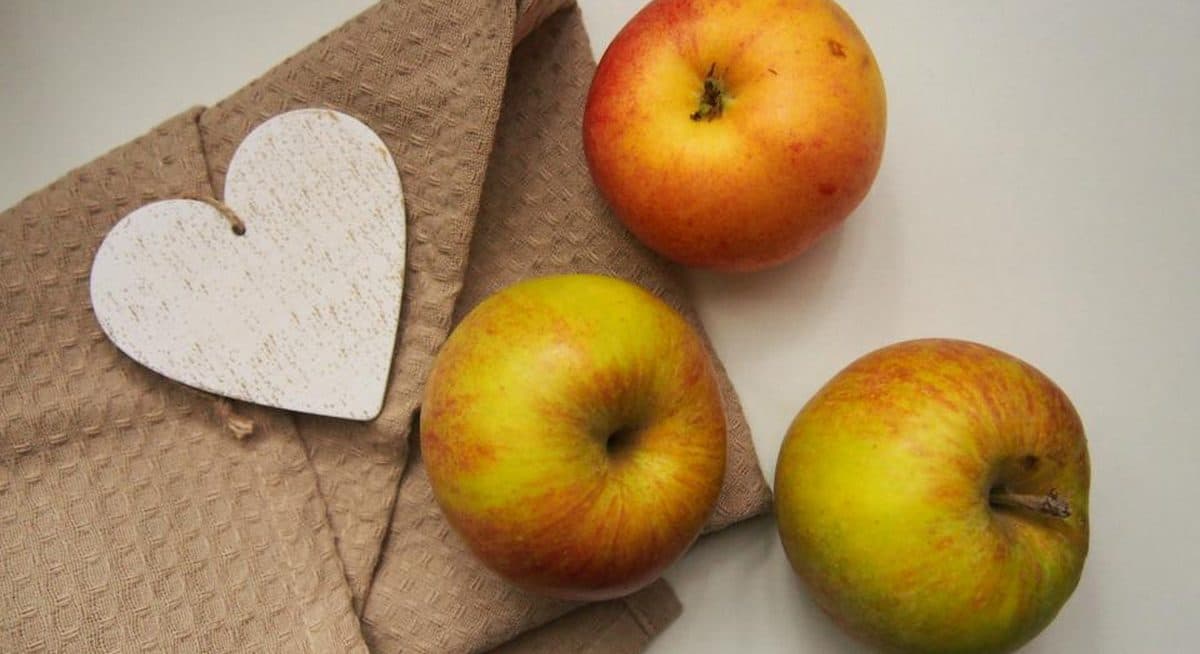
| Apple, with skin | 1 medium | ~4.4 g |
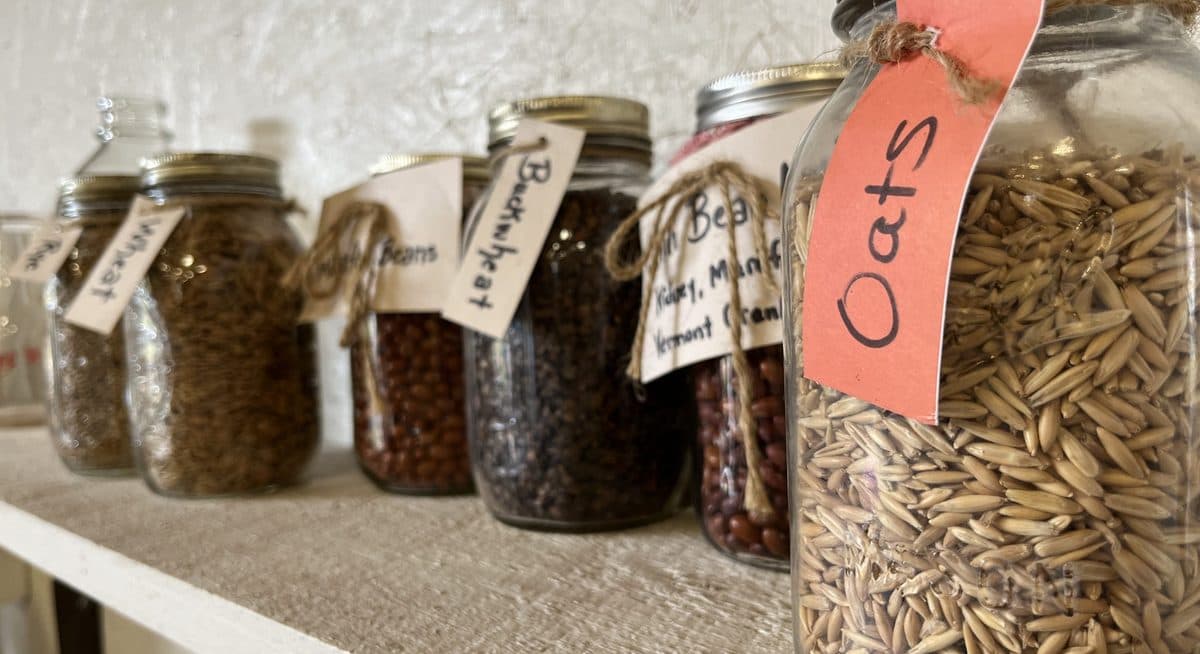
| Oats, cooked | 1 cup | ~4 g |
| Almonds | 1 oz | ~3.5 g |
The pattern is hard to miss. Legumes sit in a category of their own, and everything else is a supporting act. One cup of beans does more for your daily total than an entire day of careful fruit and vegetable choices.
Why the target is set where it is
The 25 to 38 g figures are not arbitrary. Pooled cohort and trial data link intakes in that range to lower all-cause mortality, lower incidence of coronary heart disease, type 2 diabetes and colorectal cancer, with the dose-response curve still improving up to roughly 25 to 29 g a day. The effect is not a rounding error, and it holds across both observational and randomised data.
Soluble and insoluble, and why the distinction is overrated
Soluble fiber forms a gel, slows gastric emptying and is the fraction that lowers LDL cholesterol. Insoluble fiber adds bulk and speeds transit. Most whole foods contain both, in proportions you are not going to track. Eating a variety of plants handles the split without any accounting.
The mistake almost everyone makes
Going from 15 g to 35 g overnight produces gas, bloating and a firm conviction that fiber is the problem. It is not. Your gut bacteria need a few weeks to shift population, and fiber pulls water into the colon, so intake has to rise with it. Add roughly 5 g a week and drink more.
One caveat
Fiber supplements are not equivalent to fiber-rich food. Psyllium has decent evidence for cholesterol and stool consistency, but a supplement delivers one isolated fraction where beans deliver fiber alongside protein, potassium, folate and polyphenols. Use supplements to patch a gap, not to replace the foods.
Frequently asked
What food has the most fiber?
Per realistic serving, cooked navy beans lead at roughly 19 g per cup, followed by split peas at 16 g and lentils at about 15.6 g. By weight, chia seeds are denser still at roughly 10 g per 28 g ounce.
Can you get enough fiber without beans?
Yes, but it takes more food. Reaching 30 g from fruit and vegetables alone means roughly eight to ten servings a day, where two cups of beans gets you two-thirds of the way.
How fast should I increase fiber?
Add about 5 g a week and raise fluid intake alongside it. Gut bacteria adapt over a few weeks, and the bloating most people blame on fiber is usually the speed of the change rather than the fiber itself.
Sources
Educational content, talk to your clinician before changing treatment.