nutrition · 1 min read
Anti inflammatory diet meal plan that is not a cleanse
An anti inflammatory diet meal plan with actual evidence looks Mediterranean: plants, fish, olive oil, whole grains. Here is a week of it, without supplements or elimination phases.
Written by Lifebar Desk · Checked against the sources listed below
Published 22 Jul 2026
Key takeaways
- Mediterranean-pattern eating lowers CRP and IL-6 in randomised trials.
- The active components are fibre, polyphenols, omega-3s and monounsaturated fat, not any single superfood.
- Elimination diets and detox protocols have no evidence for reducing chronic inflammation.
"Anti-inflammatory diet" is a marketing phrase attached to a real dietary pattern. The pattern is Mediterranean, and it has been tested at scale.
What the evidence supports
Meta-analyses of Mediterranean-style eating consistently show reductions in C-reactive protein and interleukin-6. The PREDIMED trial, with nearly 7,500 participants, showed reduced cardiovascular events on a Mediterranean diet supplemented with extra virgin olive oil or nuts.
The components doing the work
- Fibre, 30 g or more daily, fermented into short-chain fatty acids with anti-inflammatory activity
- Omega-3 fats from oily fish twice a week
- Polyphenols from olive oil, berries, tea, herbs
- Monounsaturated fat replacing saturated fat
- Lower ultra-processed food intake, which independently associates with inflammatory markers
A week that looks like it
| Meal | Example |
|---|---|
| Breakfast | Greek yoghurt, berries, walnuts |
| Breakfast | Oats with chia and apple |
| Lunch | Lentil salad, olive oil, feta |
| Lunch | Tinned sardines, wholegrain bread, tomato |
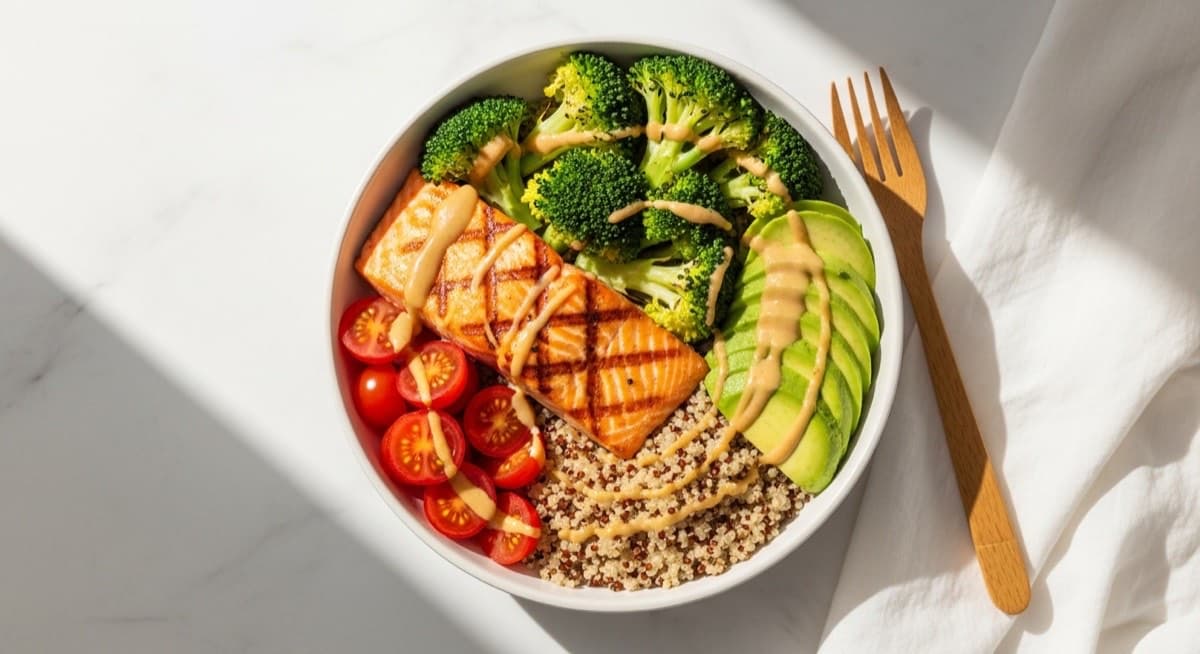
| Dinner | Salmon, roasted vegetables, barley |
| Dinner | Chickpea and spinach stew |
| Snack | Almonds, an orange, plain yoghurt |
What to drop rather than what to add
Most of the benefit in trials comes from displacement: fewer refined carbohydrates, less processed meat, less alcohol, fewer sugar-sweetened drinks. No supplement replicates that.
On testing
If you want a marker, high-sensitivity CRP is the commonly used one. Interpret it alongside a clinician, it rises with infection, injury and obesity, and a single reading in isolation means little.
Frequently asked
Do I need to cut nightshades or gluten?
Not unless you have a diagnosed condition such as coeliac disease. There is no evidence that nightshades drive inflammation in the general population.
How long until markers change?
Trials measuring CRP typically see changes over 8 to 12 weeks of consistent dietary change.
Sources
Educational content, talk to your clinician before changing treatment.