nutrition · 1 min read
Complete protein foods, and why incomplete ones barely matter
Complete protein foods carry all nine essential amino acids: meat, fish, eggs, dairy, soy and quinoa. Most plants fall short on one, but daily totals close the gap without any meal-by-meal pairing.
Written by Lifebar Desk · Checked against the sources listed below
Published 04 Sept 2026
Key takeaways
- Complete proteins contain all nine essential amino acids, meat, fish, eggs, dairy, soy, quinoa and buckwheat.
- The old advice to combine plant proteins within a single meal has been retired; daily totals are what count.
- Plant-based eaters usually need slightly more total protein because of lower digestibility.
Your body makes eleven of the twenty amino acids it needs. The other nine have to arrive in food, which is where the words "complete" and "incomplete" come from.
The complete list
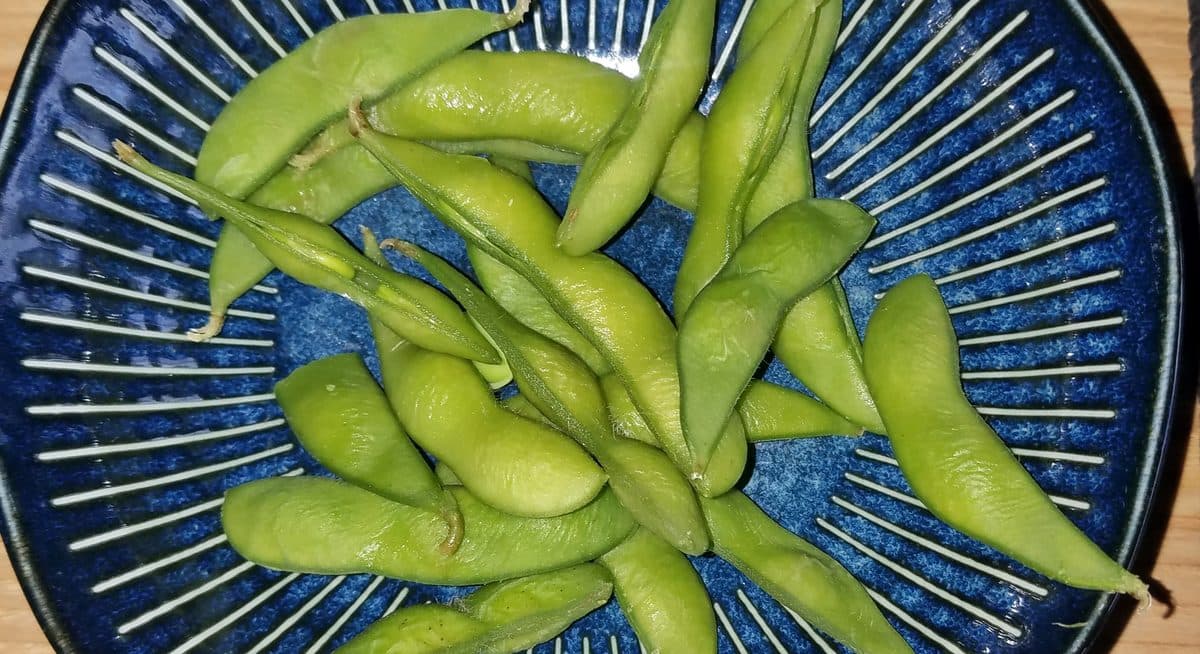
Animal sources, meat, poultry, fish, eggs, milk, yoghurt, cheese, carry all nine in useful ratios. Among plants, soy (tofu, tempeh, edamame), quinoa, buckwheat, hemp seeds and spirulina do the same.
Where plants fall short
Grains run low on lysine. Legumes run low on methionine. Eat both across a day and the shortfall disappears, which is why the strict "combine at every meal" advice from the 1970s was formally abandoned. Your body maintains a free amino acid pool that buffers across hours.
The digestibility adjustment
Plant proteins are absorbed less efficiently, roughly 10 to 20% lower on DIAAS scoring. Practically, someone eating entirely plant-based should aim for the upper end of protein recommendations, around 1.6 to 1.8 g per kg for training adults, rather than the 1.2 to 1.6 g typically cited.
A simple daily template
- One legume serving (lentils, chickpeas, black beans)
- One grain serving (oats, rice, bread)
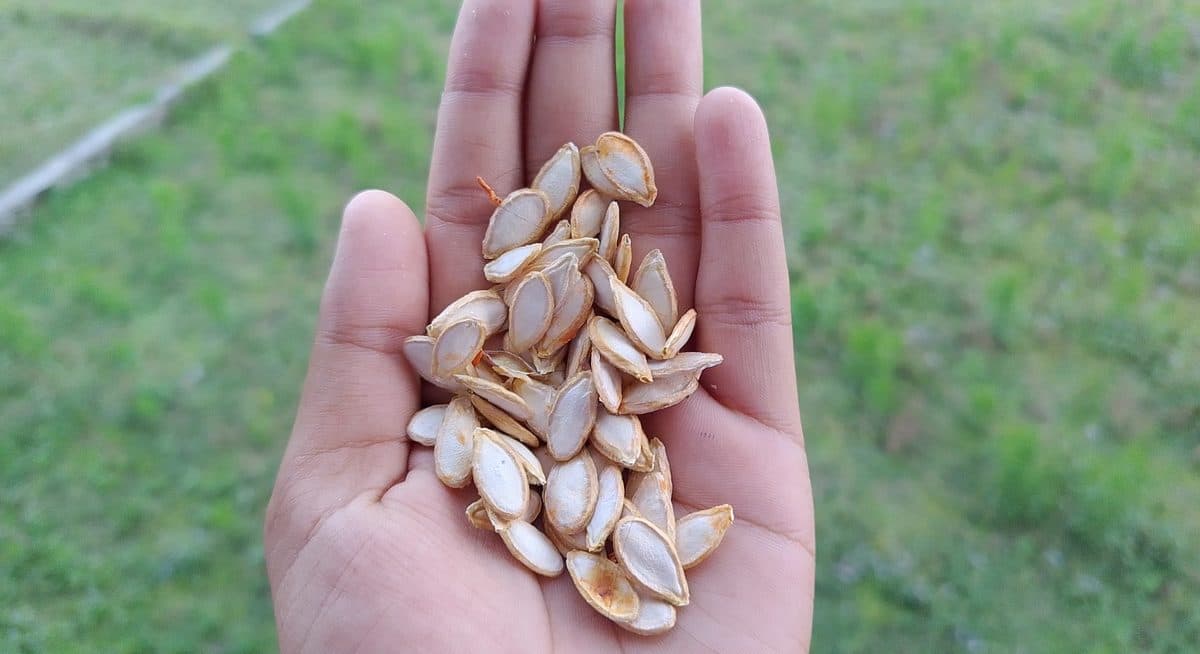
- One soy or seed serving (tofu, hemp, pumpkin seeds)
That covers the amino acid profile without any arithmetic at the plate.
Frequently asked
Do I need to pair rice and beans at the same meal?
No. The amino acid pool in your body lasts hours, so pairing across the day is sufficient. The 1970s meal-pairing rule was withdrawn decades ago.
Is soy a complete protein?
Yes. Soy, quinoa, buckwheat, hemp and spirulina all carry adequate amounts of all nine essential amino acids.
Sources
Educational content, talk to your clinician before changing treatment.