gut-health · 2 min read
High fiber fruits, ranked by fiber per serving
The highest fiber fruits are raspberries at about 8 g a cup, blackberries at 7.6 g, and pears at 5.5 g with the skin on. Most fruit lands between 3 and 5 g per serving, which makes fruit a useful contributor to the 25 to 38 g daily target rather than the main source.
Written by Lifebar Desk · Checked against the sources listed below
Published 20 Sept 2026
Key takeaways
- Berries lead the list, raspberries and blackberries carry 7 to 8 g of fiber per cup.
- Peeling costs you real fiber, a pear loses roughly a third of its fiber without the skin.
- Most single fruits deliver 3 to 5 g, so fruit supports the daily target rather than carrying it.
- Juice removes almost all of the fiber, whole fruit and fruit juice are not interchangeable.
Fruit has a reputation as the fiber food, which slightly oversells it. Fruit is a genuinely good source, but the numbers per serving are smaller than most people assume, and the gap between the best and worst options is wide.
The ranking
| Fruit | Serving | Fiber |
|---|---|---|
| Raspberries | 1 cup | ~8 g |
| Blackberries | 1 cup | ~7.6 g |
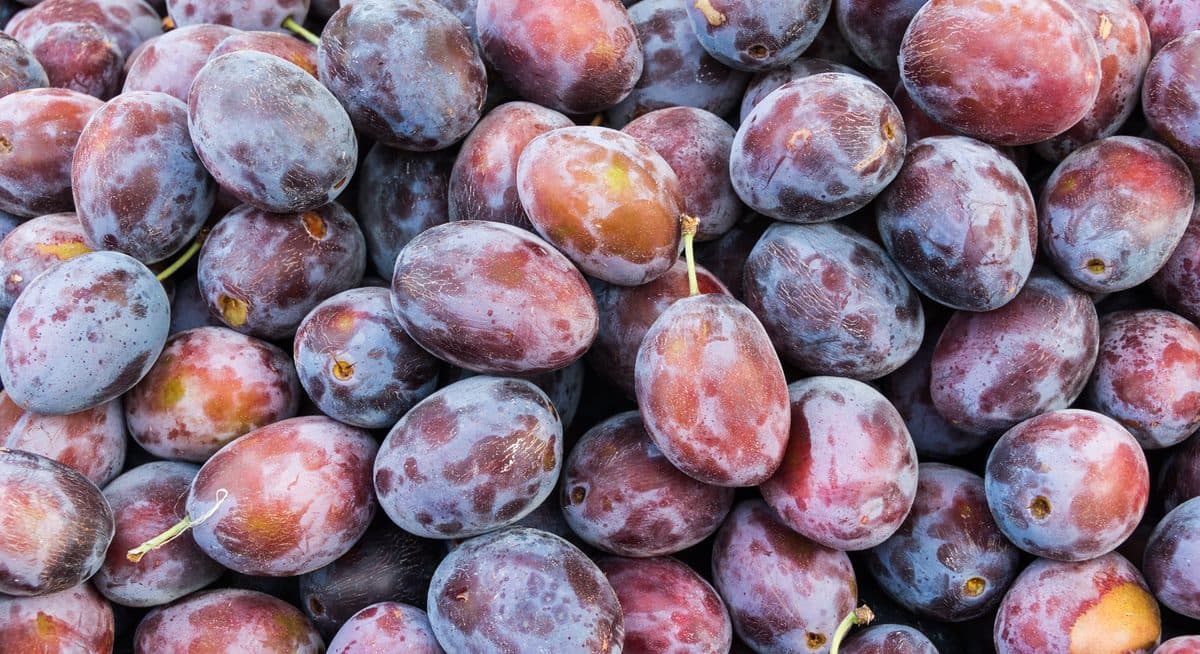
| Prunes | 1/2 cup | ~6 g |
| Pear, with skin | 1 medium | ~5.5 g |
| Avocado | 1/2 | ~5 g |
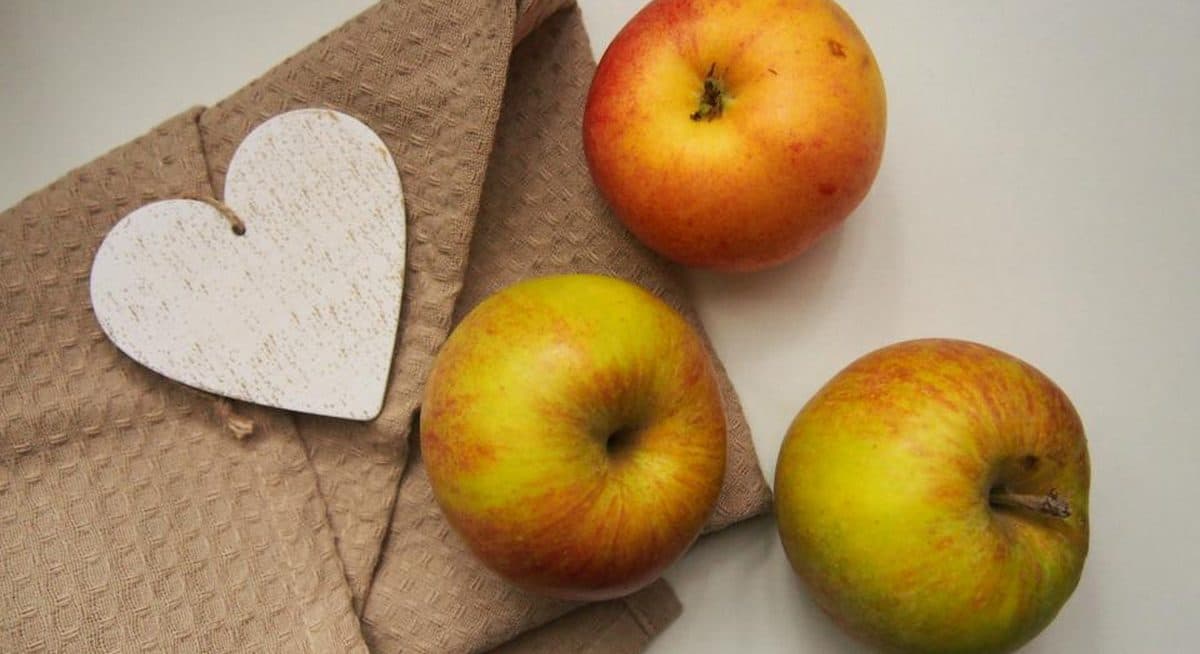
| Apple, with skin | 1 medium | ~4.4 g |
| Blueberries | 1 cup | ~3.6 g |
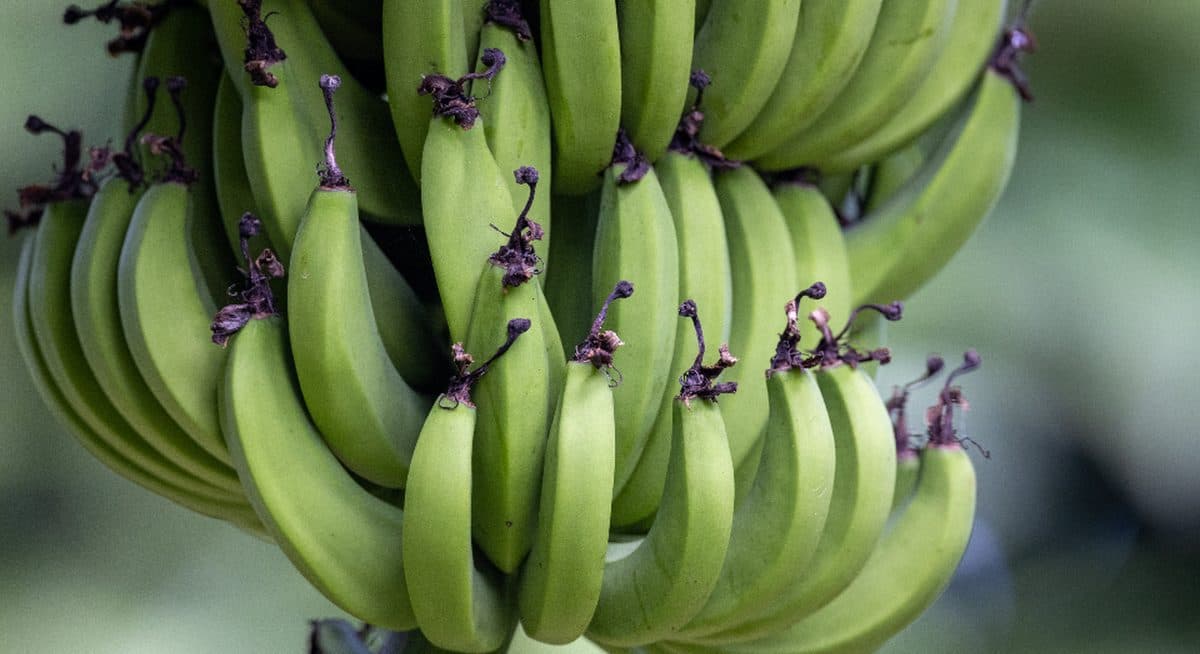
| Banana | 1 medium | ~3.1 g |
| Orange | 1 medium | ~3.1 g |
| Strawberries | 1 cup | ~3 g |
Why berries win
Berries are mostly seeds and skin, and both are fiber. That structural fact is why a cup of raspberries carries more than twice the fiber of a cup of strawberries, and roughly the same as three bananas.
The skin is not a garnish
Peeling is the single most common way people lose fiber without noticing. Apple skin carries a large share of the fruit's pectin, and a peeled pear drops from roughly 5.5 g to around 3.5 g. If the skin is edible, eating it is free fiber.
Where fruit fits in the daily total
Against a 25 to 38 g target, three servings of fruit realistically contributes 10 to 15 g on a good day. That is a meaningful share but not a solution on its own. Legumes remain the fastest route to the target, and fruit is the pleasant way to close the last stretch.
One caveat
Whole fruit and juice behave differently. Removing the fiber removes the viscosity that slows sugar absorption, which is most of what makes whole fruit metabolically well behaved. Smoothies sit in between, since blending breaks the structure down but keeps the fiber in the glass.
Frequently asked
Which fruit has the most fiber?
Per cup, raspberries lead at roughly 8 g, with blackberries close behind at about 7.6 g. Per single piece of fruit, a medium pear with the skin on is the strongest option at around 5.5 g.
Do dried fruits count?
Yes, and they concentrate fiber by weight because the water is gone. Half a cup of prunes carries around 6 g. The trade-off is that sugars concentrate at the same rate, so portions are smaller than with fresh fruit.
Does fruit juice have fiber?
Almost none. Juicing discards the pulp and skin where most of the fiber sits. A glass of apple juice has a fraction of the fiber of the apples it came from, along with the sugars in a faster-absorbed form.
Sources
Educational content, talk to your clinician before changing treatment.